Image Credit: Unsplash
An open-plan home may look spacious and inviting, but uneven temperatures can quickly make everyday living uncomfortable. While one area feels pleasantly cool, the kitchen may trap heat, the living room may become stuffy, and high ceilings can make effective cooling more difficult. Discover how smarter furniture placement, proper air conditioning system sizing, and simple airflow improvements can help maintain consistent comfort throughout your home without unnecessary energy costs.
The Open Concept Airflow Challenge
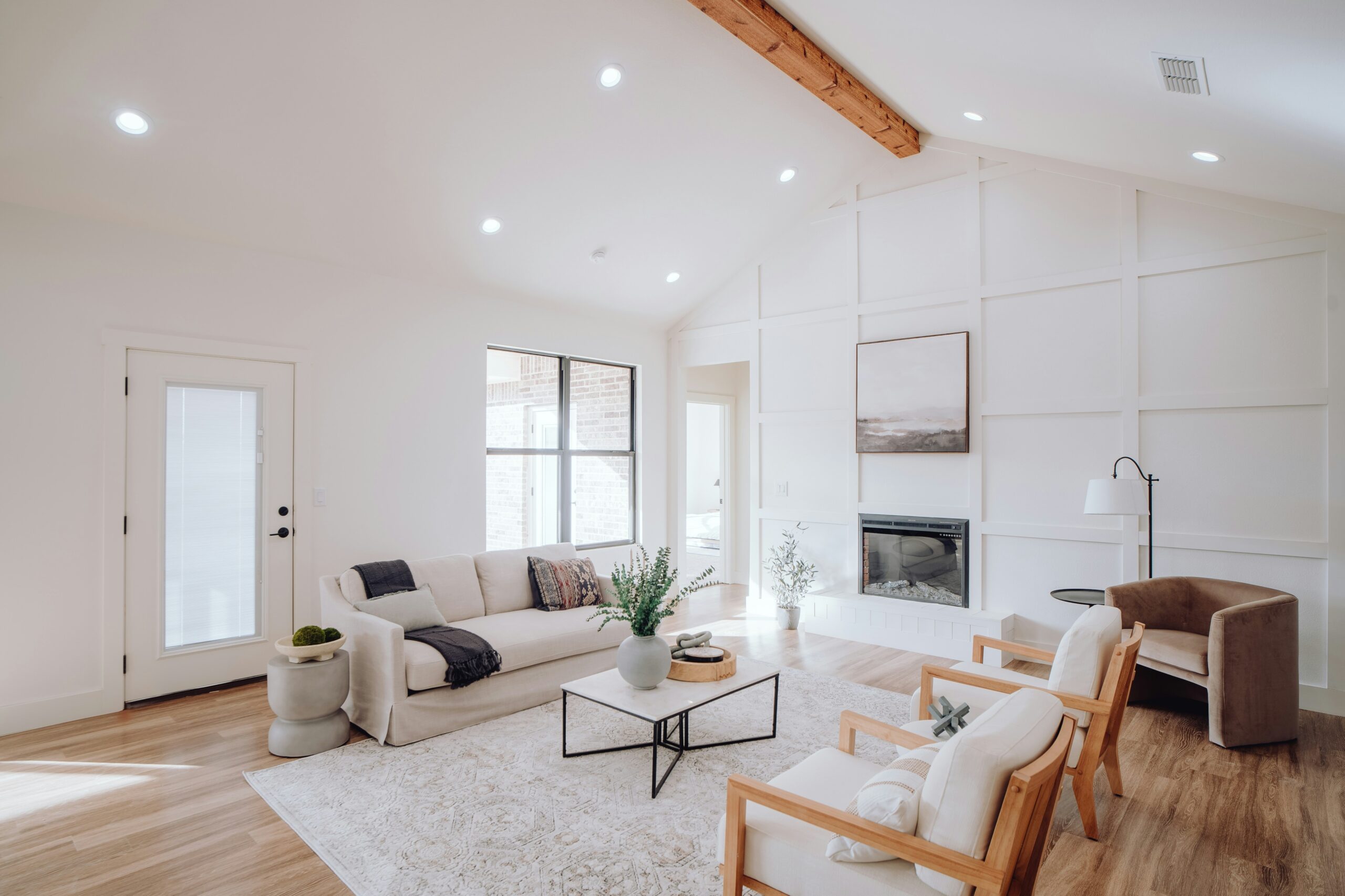
In a traditional home, closed doors help contain conditioned air. An open concept connects several zones, so heat from an oven can reach the sofa while direct afternoon sun raises the temperature near the windows. High ceilings add another challenge because warm air rises and gathers above the occupied part of the room.
Watch how the room behaves at different times of day. Curtains moving near a doorway, a noticeably warm mezzanine, or a dining area that stays stuffy can reveal weak circulation. If those patterns persist, an Air Conditioning professional can assess airflow, equipment placement, and the cooling demand across the full space. This is more reliable than judging the system by floor area alone.
Smart Layouts Balance Living Zones
Furniture placement affects airflow more than many people expect. A tall bookcase near a vent can redirect air upward, while a large sofa may block low-level circulation. Leave clear space around supply vents and return grilles, and avoid placing bulky furniture directly in the air path.
Use rugs, lighting, and furniture groups to define each activity area without creating solid barriers. These open-concept zoning ideas show how visual boundaries can organize a shared room while preserving its connected feel. In a combined kitchen, dining, and living space, an open-backed shelf can provide separation while allowing air to pass through. Positioning the dining table between the kitchen and lounge may also create a useful buffer around the warmest zone.
Sizing Your Air Conditioning System
A larger system doesn’t automatically produce better comfort. Oversized equipment may cool the air quickly and shut off before removing enough humidity, which can leave the room feeling clammy. An undersized unit may run for long periods without bringing the far end of the space to the selected temperature. When choosing equipment, factors such as room size, energy efficiency, system type, and installation requirements can help determine which option will provide consistent comfort throughout an open-plan home.
Proper sizing considers ceiling height, insulation, window area, orientation, occupancy, and heat-producing appliances. A 40-square-meter room with a shaded outlook has different needs from one with west-facing glass and a busy kitchen. Extensions also matter. Removing a wall to connect two rooms changes the amount of air the system must treat, even when the existing unit still works. Ask for a load calculation before replacing equipment or completing a major renovation.
Simple Design Tweaks for Better Flow
Small changes can improve comfort before you consider larger work. Run ceiling fans at a low setting to mix the air without creating a strong draft. During warm weather, the fan should usually push air downward. In cooler months, a low reverse setting can bring trapped warm air down from the ceiling.
Use lined curtains or blinds on windows that receive intense sun, and close them before the room heats up. Keep internal doors open when they connect the main living space to areas included in the conditioned zone. Clean filters on the schedule stated by the equipment manufacturer since restricted airflow reduces performance.
A simple room thermometer can help you test results. Place it in the living area for a day, then move it to the kitchen or dining zone under similar weather conditions. A persistent difference of several degrees gives you useful information for adjusting fan direction, furniture placement, or professional system settings.
Open-plan comfort becomes easier to manage once you treat the room as several connected climate zones. Pay particular attention to the sunny windows, cooking area, and high ceiling spaces, since those are often where uneven temperatures begin.
Leave a Reply