Image Credit: Unsplash
When every evening brings the same question of what to cook, busy family schedules can turn dinner into another source of stress. Between work commitments, children’s preferences, grocery shopping, and limited preparation time, finding meals everyone enjoys can feel exhausting. Discover how simple meal planning, smarter food preparation, and family-friendly routines can save time, reduce dinner-time frustration, and make shared meals something everyone looks forward to.
Build a Repeatable Weekly Template
Give each evening a loose theme, so you’re filling familiar slots instead of inventing seven unrelated dinners. Monday might be pasta night, Tuesday could feature tacos, and Wednesday could use a tray-bake meal. Keep one evening for leftovers and another for a quick freezer option. These simple ways to make family mealtimes more enjoyable can also help reduce dinner-time stress and make shared meals feel less like a daily chore.
These successful meal planning strategies can help you check your schedule, choose recipes, and create a focused shopping list. Before planning, note late meetings, school activities, and nights when different family members will eat at separate times. Save three reliable meals for demanding evenings, then try new recipes when the schedule is more forgiving.
Prioritize Nutrients Over Quick Fixes
Build most meals around three elements: a source of protein, a filling carbohydrate, and at least one fruit or vegetable. A baked potato topped with beans and cheese, served with cucumber slices, meets that basic pattern without requiring a long ingredient list. Eggs on whole-grain toast with tomatoes can work equally well on a rushed evening.
Convenience foods can still support balanced family meals. Frozen vegetables, canned beans, microwaveable brown rice and pre-cut produce shorten cooking time while adding useful nutrients. Check labels when necessary, especially for sodium and added sugar, but don’t let perfection complicate dinner. Variety across the week matters more than making every plate look ideal.
Work with a Naturopath on Gut Health
Recurring digestive discomfort, ongoing changes in bowel habits, or concerns about food tolerance deserve individual attention. Keep a short record of meals, symptoms and timing before an appointment, as this can reveal patterns more clearly than memory alone. Include medicines and supplements, since these details may affect professional advice.
People in Wollongong and the Illawarra region who are seeking natural, non-invasive support for digestive concerns can consult a Naturopath offering naturopathy and clinical nutrition services. Use any consultation to discuss realistic family meals, not an idealized menu no one will follow. Persistent pain, unexplained weight loss, bleeding, or severe symptoms should be assessed promptly by an appropriate medical professional.
Prep Smarter to Save Evening Hours
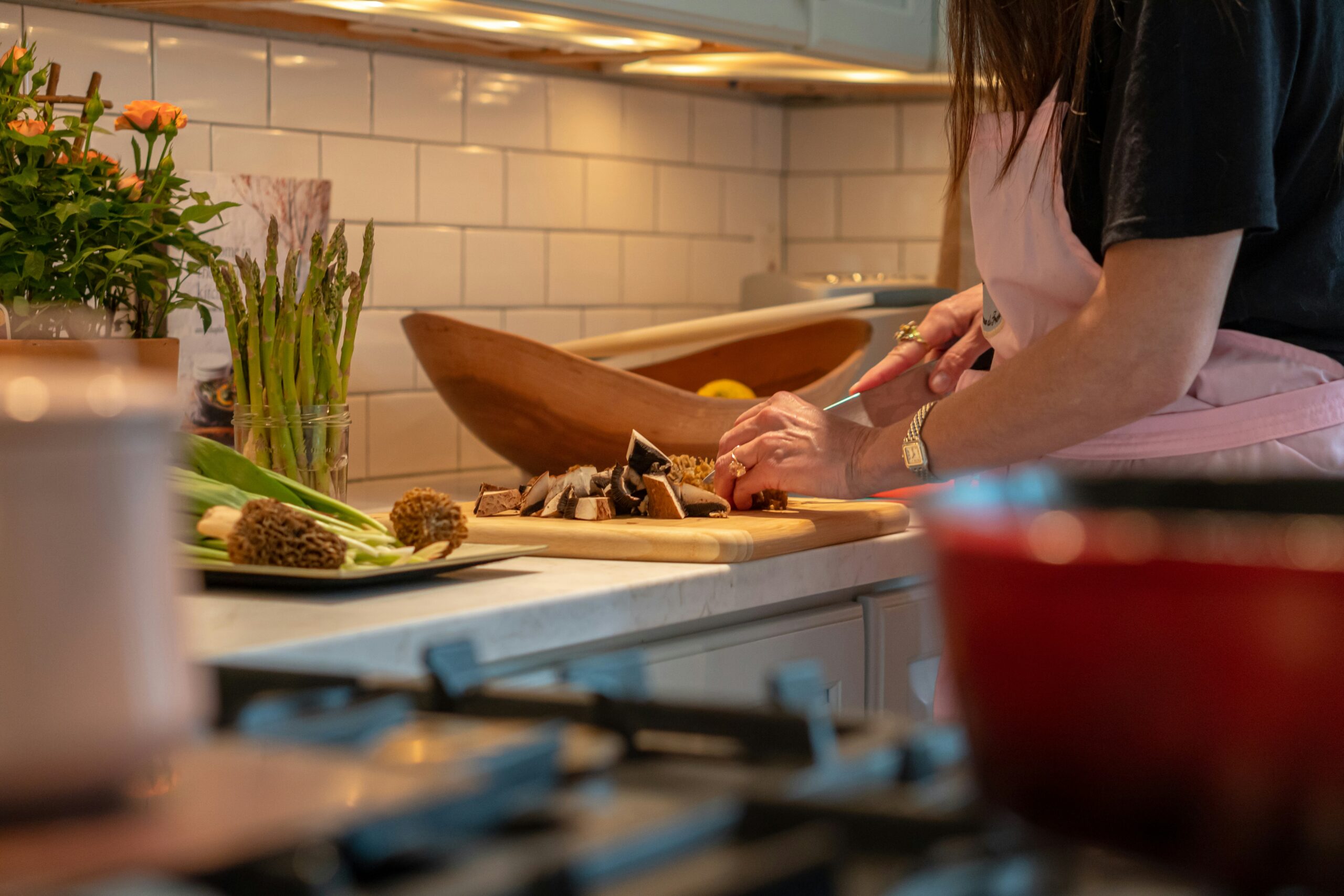
Choose preparation jobs that remove genuine pressure from weeknights. Washing fruit, chopping sturdy vegetables, and cooking a batch of rice on Sunday may save more time than preparing five complete meals. Store components separately so they can become bowls, wraps, or side dishes without tasting repetitive.
These time-saving kitchen tips offer practical ideas for organizing food preparation around a full family schedule. You can also double one freezer-friendly recipe, such as lentil soup or tomato sauce, and freeze half in meal-sized portions. Label each container with its name and date. On busy nights, add fresh bread, salad, or fruit and dinner is ready with minimal cleanup.
Keep Children Engaged at Dinner
Give children small, age-appropriate choices while keeping the overall menu steady. They might choose between peas and carrots, select a taco topping, or help decide which fruit follows dinner. Younger children can wash produce or tear lettuce, while older children can measure ingredients and stir sauces with supervision.
Serve at least one familiar food alongside less familiar options, then allow children to decide what and how much to eat from what’s offered. Repeated, low-pressure exposure often makes new foods feel less intimidating. Keep conversation away from bites taken or plates cleared. A brief dinner where everyone feels comfortable can be more useful than a long meal filled with bargaining.
A workable routine may still include toast for dinner, swapped meal nights, and vegetables that come straight from the freezer. Keep notes on which meals were eaten happily, which created too many dishes, and which produced useful leftovers. After a few weeks, that record becomes a personalized plan built around your household’s actual evenings.
Leave a Reply