Image Credit: Unsplash
A child’s room feels more welcoming when it reflects the person who sleeps, plays and learns there. You don’t need a full makeover or an expensive matching furniture set to achieve that. A few thoughtful choices can bring their interests, personality and everyday creations into the space.
Start with items your child already loves, then add personal details that can change as they grow. The result will feel special without becoming too precious for real family life.
Beyond Standard Decor Items
Begin by looking past coordinated bedding, curtains and framed prints. Useful objects can carry as much personality as conventional decorations, especially when they reflect your child’s favorite activities. A bright basket can hold building blocks, a small peg rail can display dance bags or hats and a shelf can become home to a rotating collection of stones, models or treasured books.
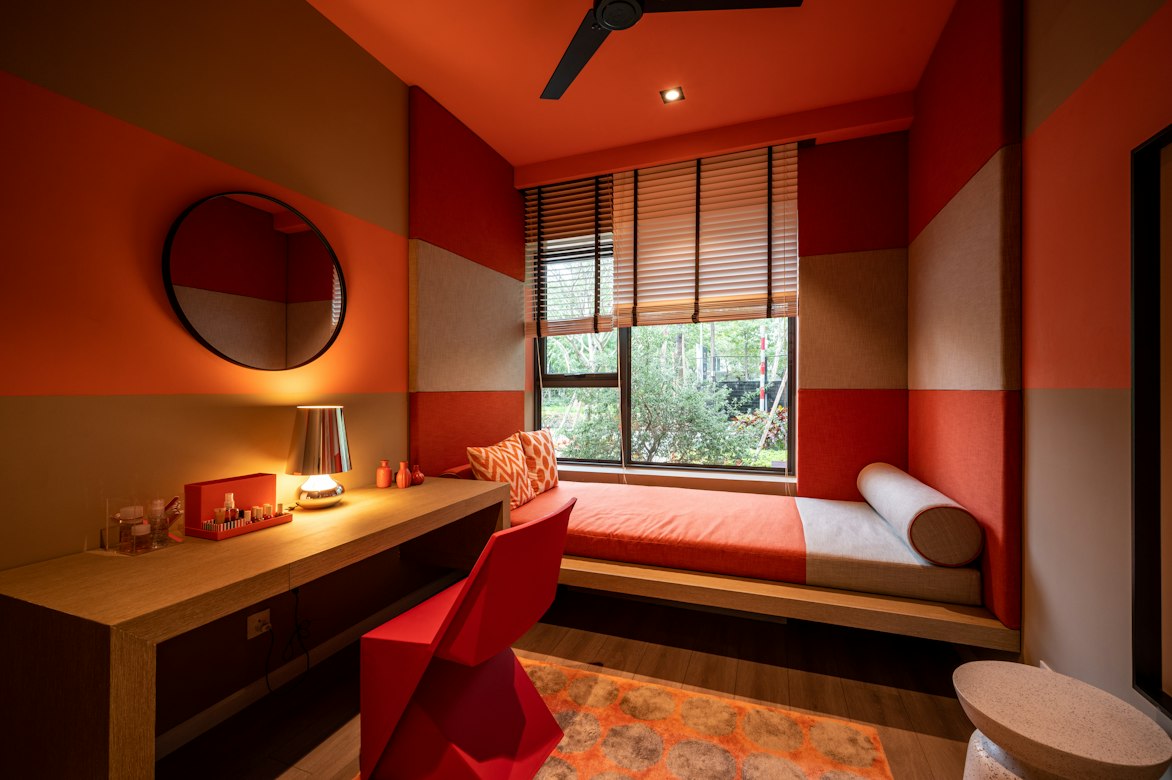
Ask your child to choose two or three colors they enjoy, then repeat those shades in small doses. A rug, storage bin and lampshade can create a clear color story without locking the whole room into one theme. If their interests change six months later, these smaller items are easier to swap.
Texture helps a room feel comfortable too. Try a washable floor cushion, a soft throw or fabric storage boxes that won’t create sharp corners in a busy play area. The practical child’s room decorating tips from Canvas n Decor also suggest considering storage and involving children in the process.
Look around the house before buying anything new. An unused spice rack may work as a front-facing book ledge, while a sturdy wooden crate can hold stuffed animals. Secure tall or climbable furniture to the wall and keep heavy objects off high shelves so personality never comes at the expense of safety.
Showcasing Their Name and Identity
A child’s name gives you a simple starting point for personal decor. Place it where they’ll see it often, such as on a bedroom door, above a low shelf or beside their artwork. Keep the display at a child-friendly height when possible, particularly if it includes movable pieces they’re allowed to handle.
Name decor can also support early letter recognition. For children aged 3 and older, a guy name train combines customizable letter carriages with a classic wooden display piece. It can sit on a nursery shelf at first, then become a hands-on way for an older child to notice the order and shapes of the letters in their name. Adult supervision and the product’s age guidance should always shape how it’s used.
You can make a name feature at home as well. Paint individual cardboard letters, form initials from removable wall decals or create a simple banner using fabric scraps. These creative name display ideas offer more inspiration for turning names into playful room details.
Include other parts of your child’s identity nearby. A framed family photo, a map linked to relatives or a shelf for favorite story characters can make the room more meaningful. Invite your child to explain why each item matters. Their answers may lead to more personal choices than any ready-made theme could provide.
Displaying Art and Creations
Children produce a steady stream of paintings, drawings and paper constructions, so give their work a display system that’s easy to update. A length of cord with wooden clips works well for lightweight pictures. Clipboards mounted in a neat row also let you replace artwork without removing frames or reaching for adhesive tape.
Choose a limited display area to prevent the room from feeling crowded. Six pieces above a desk or three clipboards beside a bookcase can create a cheerful gallery while leaving some visual breathing room. Store the remaining work in a labeled portfolio, expanding folder or shallow box. At the end of each school term, let your child choose a few favorites to keep.
Three-dimensional creations deserve a place too. Reserve one shelf for clay figures, block models or craft projects and photograph anything too fragile or bulky to save. A small printed album can hold those pictures, along with a sentence from your child about each creation.
If you’d like the display to feel more polished, use frames in one color but vary their sizes. The guide to creating wall art at home offers useful ideas for combining personal items into a creative arrangement. Leave at least one frame empty for the next masterpiece. That small gap signals that the gallery belongs to a child whose ideas are still arriving.
Creating a Nook
A nook gives a child a defined place for reading, drawing or having a quiet break. It doesn’t require an alcove or a large bedroom. A corner beside a bookcase, the space under a loft bed or even one end of a shared room can work if it has a comfortable seat and a clear purpose.
For a reading nook, place a washable cushion or child-sized chair beside a small basket of books. Add a wall-mounted light or sturdy lamp with its cord kept safely out of the way. Rotate the books every few weeks, keeping current favorites alongside two or three titles that haven’t been read recently.
A creative nook needs a wipe-clean surface, accessible supplies and simple storage. Put crayons, washable markers and paper in separate containers so your child can set up and tidy away with minimal help. Protect the wall with a large pinboard or display rail instead of allowing tape to collect on painted surfaces.
The advice on helping kids create their own space emphasizes giving children an area that feels like theirs. That sense of ownership can come from one small choice. Let them select the cushion cover, name the nook or choose which books appear in the basket. In a shared bedroom, give each child a separate shelf or container within the area so both have a personal spot.
Flexible Spaces for Growth
Children’s needs change quickly, which makes flexibility one of the most useful design choices. A preschooler’s floor space for puzzles may later need to hold a desk, while a low picture-book shelf may eventually store chapter books and school supplies. Keep the largest furniture pieces neutral and let easy-to-change accessories carry the stronger colors and themes.
Open shelving can adapt well when paired with movable bins. Today, one bin might hold toy animals and another might contain dress-up clothes. Later, the same shelves can organize craft materials, sports items or homework supplies. Add picture labels for younger children, then replace them with written labels as reading skills develop.
Plan for changing displays too. Removable hooks, clip frames and ledges can accommodate new interests without leaving a trail of holes. A corkboard may begin with finger paintings, then hold certificates, photographs and event reminders. For more adaptable ideas, these kids’ room decorating ideas cover storage, furniture and age-friendly design choices.
Review the room with your child once or twice a year. Check which items they still use, what has become too young for them and where clutter tends to collect. Donate outgrown belongings when they’re still in good condition and move sentimental pieces into a memory box. Keep one or two long-loved objects on display, even when the room’s theme changes.
The best finishing touch may be something wonderfully ordinary: this week’s drawing clipped above the desk, a favorite book waiting in the nook or their name arranged on a shelf. Those details allow the room to keep changing while still feeling unmistakably theirs.
Leave a Reply