Image Credit: Unsplash
A resilient home limits damage during severe weather and gives you a safer, simpler route back to normal afterward. Strong winds, heavy rain, flooding, extreme heat and winter storms can expose weak points that remain unnoticed in calmer conditions. You don’t need to rebuild from scratch to improve protection. A careful assessment, targeted maintenance and sensible material upgrades can strengthen the property while preserving its comfort and appearance.
Understanding Climate Challenges
Start by identifying the weather events most likely to affect your home. Local flood maps, historical storm records and building guidance can reveal risks that may not be obvious during a viewing or routine inspection. The guidance on climate-resilient homes also shows how features such as drainage, fire-resistant landscaping and stronger connections between structural elements can reduce damage.
Walk around the property during heavy rain if it’s safe. Watch where water collects, check whether gutters overflow and note any doors or windows that let in moisture. Inside, look for stained ceilings, musty odors and cracks that have changed over time. These observations help you focus your budget on genuine vulnerabilities.
Fortifying Your Home’s Exterior
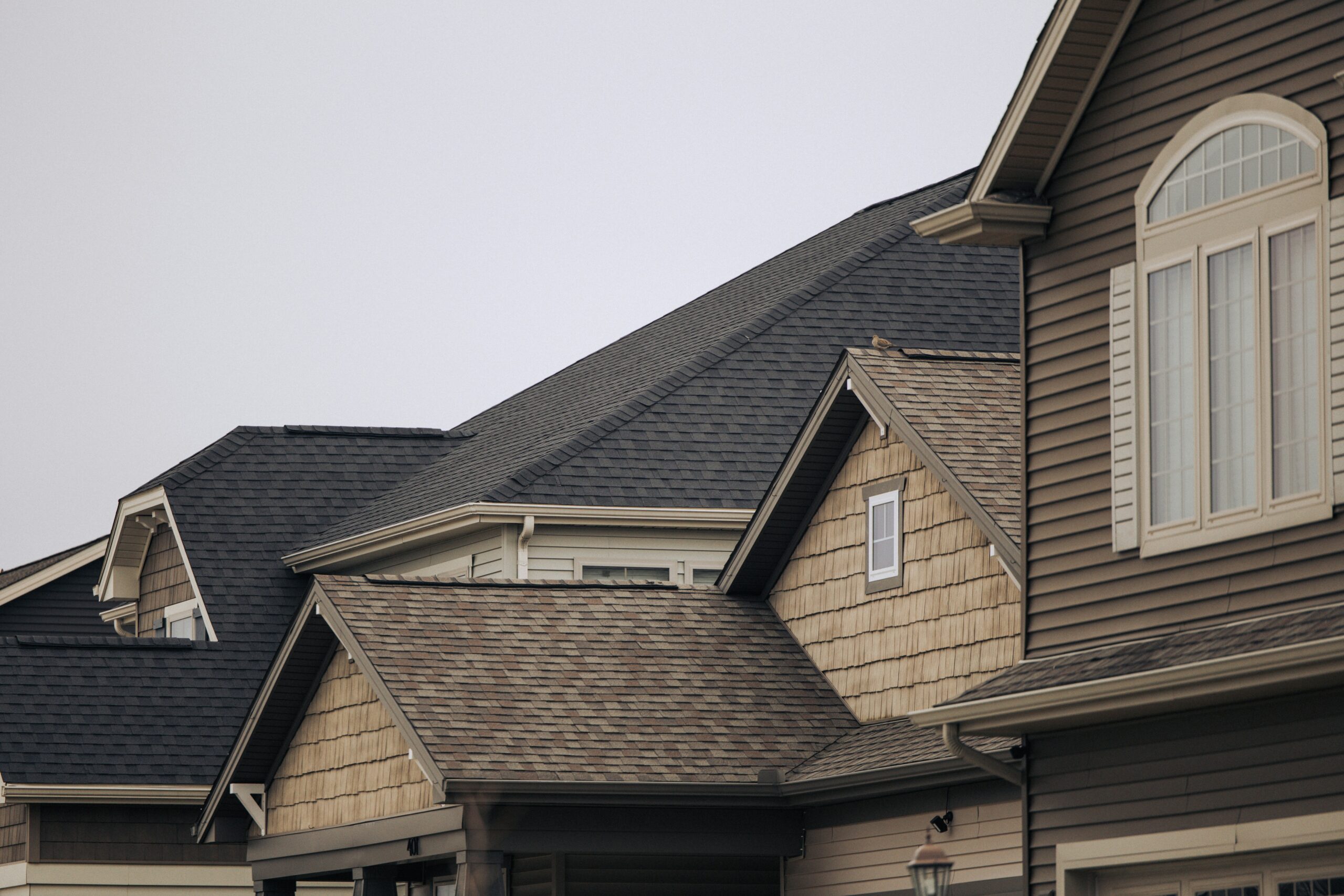
Inspect the roof at least twice a year and after major storms. From ground level, look for displaced tiles, damaged flashing, sagging sections and debris blocking gutters. A professional inspection can reveal less visible trouble, including deteriorated underlayment or weakened connections. Homeowners in Greater Brisbane, the Gold Coast, Sunshine Coast and Ipswich may consider roof restoration when widespread surface wear has developed, but a full replacement may not yet be necessary.
Exterior protection also includes secure siding, sealed window frames and drainage that carries water away from the foundation. Clean gutters, extend downspouts and trim branches that could strike the house. For further practical ideas, these home exterior upgrades offer a useful starting point for improving both appearance and weather resistance.
Interior Safeguards and Preparedness
Move valuables, important documents and sensitive electronics away from floors in rooms vulnerable to water entry. Store essential paperwork in waterproof containers and keep digital copies in secure cloud storage. If the power supply is unreliable during storms, surge protectors and a professionally installed backup system can help protect appliances and maintain essential lighting.
Prepare a household plan covering evacuation routes, emergency contacts and a safe meeting place. Everyone should know where to find flashlights, first-aid supplies and weather alerts. Check smoke and carbon monoxide alarms each month, especially before storm season. A basic supply kit should contain drinking water, shelf-stable food, medications, phone chargers, hygiene products and supplies for pets. Review expiration dates every six months so the kit remains usable.
Material Choices for Durability
Choose materials based on the conditions they’ll face, not appearance alone. Fiber cement siding handles moisture and temperature changes well, while impact-rated windows can offer better protection in areas exposed to windborne debris. Corrosion-resistant fasteners are especially useful in coastal climates where salty air can shorten the life of untreated metal components.
Current approaches to resilient home construction emphasize strong structural connections, efficient insulation and materials selected for local hazards. Ask contractors for product ratings, maintenance requirements and warranty terms before approving work. The cheapest option may need frequent repairs, so compare expected service life and upkeep costs. Durable materials should also be installed correctly, since even a highly rated product can fail when flashing, seals or fixings are poorly fitted.
Post-Storm Recovery Steps
Wait for official safety guidance before returning to a property affected by severe weather. Once it’s safe, photograph each damaged area before moving items or starting temporary repairs. Record the date, keep receipts and write a short description of what happened. Clear documentation can make conversations with insurers and contractors much easier.
Prevent further water entry with safe temporary measures, but don’t climb onto an unstable or wet roof. Turn off electricity if water has entered near outlets or appliances and arrange qualified help. Wet carpets, drywall and insulation require prompt attention because mold can begin growing quickly.
After repairs, update your maintenance record with materials used, contractor details and warranty information. The most useful final step is a follow-up inspection before the next storm season, when small gaps, loose fittings and drainage problems can still be corrected without an emergency deadline.
Leave a Reply