Image Credit: Unsplash
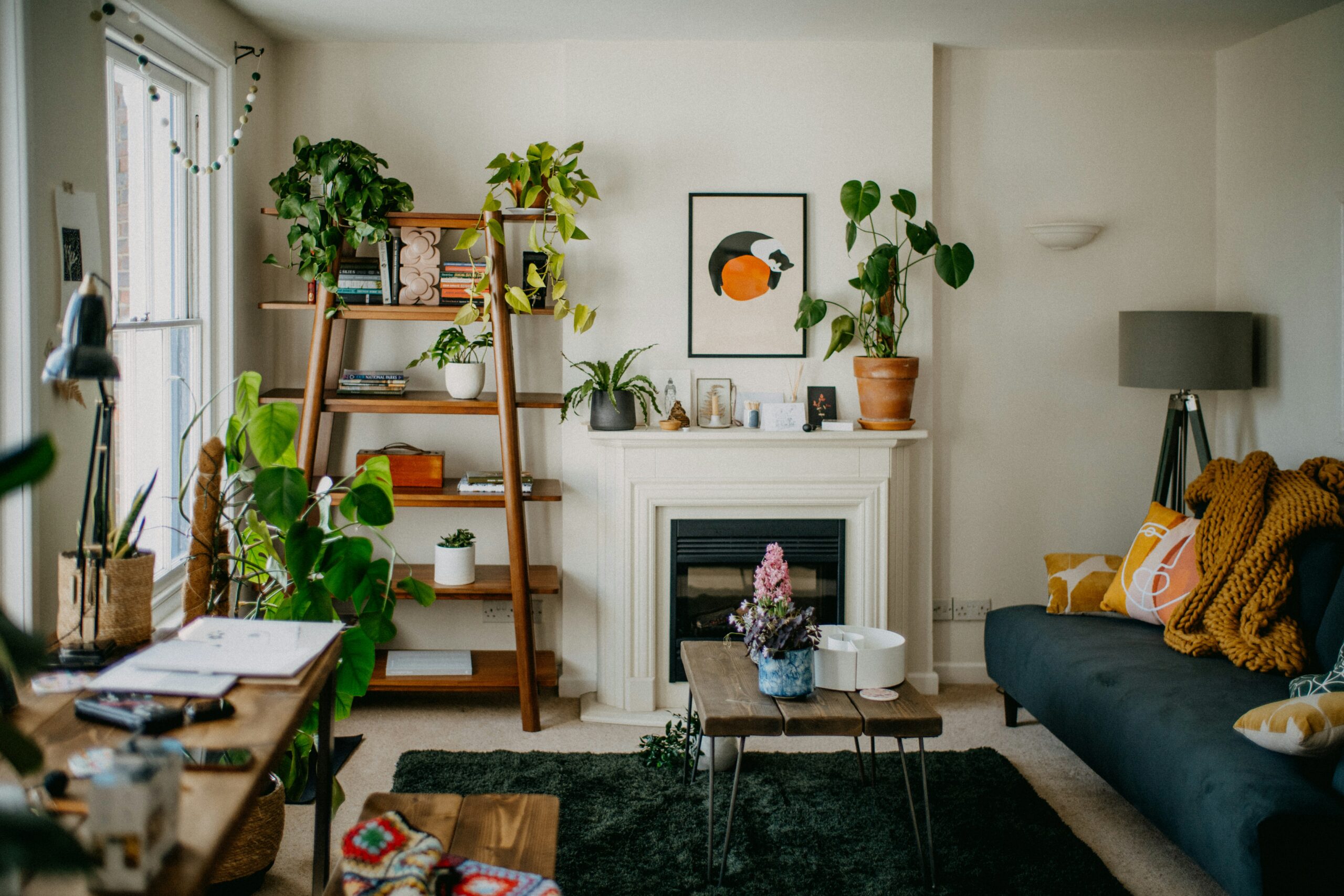
Indoor plants bring colour, texture and a gentle sense of life to rooms that might otherwise feel plain. They can soften hard edges, brighten an unused corner and help your home feel more settled without demanding a full makeover. You don’t need a vast collection or expert gardening skills, either.
A few carefully chosen houseplants, placed where their needs are met, can make everyday spaces feel calmer and more personal.
The Power of Greenery Indoors
Greenery gives your eyes somewhere restful to land, particularly in rooms filled with screens, cables and practical furniture. One tall plant can balance a bare corner, while a trailing variety adds movement to a shelf or bookcase. Repeating similar pots across a room also creates a more organised look.
The health benefits of houseplants include possible improvements to mood, attention and perceived comfort, although plants shouldn’t replace proper ventilation or professional healthcare. Think of them as one useful part of a welcoming home. For a wider refresh, these ways to transform your living space into a beautiful calming sanctuary offer ideas that work nicely alongside greenery.
Picking the Right Plants for Your Space
Start with the conditions in your home. A sunny windowsill suits different plants from a shaded hallway, so watch how the light moves across each room during the day. Bright, indirect light usually means a well-lit spot away from strong midday sun. Low light means a room still receives daylight, not one with no windows.
Also consider available space, household routines and curious pets. Check reliable plant toxicity guidance for pet owners before bringing a new variety home. If local shops have limited stock or you’re sending a living gift, plant delivery offers a practical way to choose indoor plants online, including same-day options in selected Melbourne areas.
Simple Care for Thriving Houseplants
Check the compost before reaching for the watering can. Push a finger about 2 cm into the top layer and water only if it feels dry for plants that prefer moderate moisture. Empty decorative covers and saucers after ten minutes because roots left sitting in water may rot.
Most houseplants cope better with slight underwatering than frequent soaking. Their needs also change through the year, with slower growth often meaning less water during cooler months. Wipe broad leaves with a damp cloth every few weeks so dust doesn’t build up. Turn pots by a quarter each week to encourage even growth, then trim yellow or damaged leaves with clean scissors.
Easy Ways to Bring Plants Home
Begin with one or two plants in rooms you use every day. A compact plant on a home-working desk adds greenery without taking over the surface, while a larger floor plant can fill the gap beside a sofa. In a small kitchen, herbs on a bright sill provide both fresh leaves and visual warmth.
Use pots that suit your existing colours, but make drainage the priority. Keep a nursery pot with drainage holes inside a decorative outer pot if your favourite container has a solid base. Grouping three plants at different heights creates an easy display and can simplify care when varieties share similar light and watering needs.
Beyond Decoration: Plants for Well-being
Caring for plants introduces small, manageable pauses into the week. Checking new growth, removing a faded leaf and testing the soil are simple tasks that draw attention away from screens for a moment. A leafy view near a reading chair or workspace may also make that area feel more inviting, helping you use it more often.
Keep expectations realistic. Houseplants won’t solve poor air quality or remove everyday stress on their own, but they can support comforting routines and make a room feel cared for. Place one healthy plant where you’ll notice it each morning, then let its growth guide the pace of any future collection.
Leave a Reply