Image Credit: Unsplash
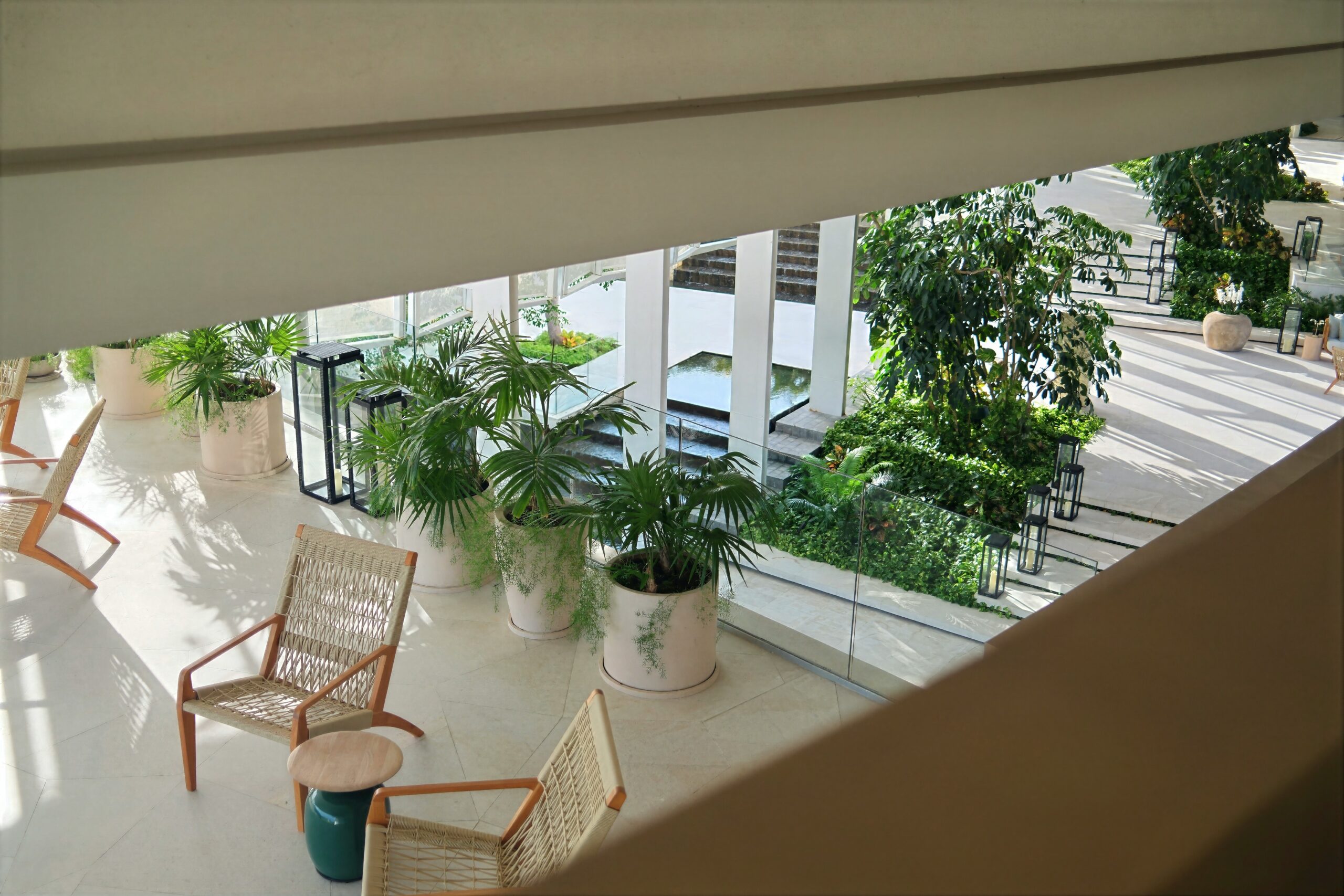
Indoor and outdoor greenery can work together to make a home feel calmer, more comfortable and connected to nature. Houseplants soften everyday rooms, while trees and garden plants create shade, privacy and seasonal interest outside. The best results come from treating these spaces as parts of one home environment, with plant choices that suit your available light, climate and weekly routine.
The Power of Plants Indoors
Houseplants bring natural color and texture into rooms that might otherwise feel plain. Research into houseplant health benefits suggests that interacting with indoor plants may help reduce stress and support attention, though they’re no substitute for good ventilation or medical care.
Start with one or two plants in places you use daily. A pothos can trail from a living room shelf, while a snake plant suits many bedrooms. Check the soil before watering since a fixed schedule can lead to soggy roots. The advice on indoor calm and houseplants also highlights the value of simple plant-care routines during periods when people spend more time inside.
Extending Green Space Outdoors
Your view through a window matters almost as much as the plants sitting on its sill. Position outdoor greenery where you’ll see it from the kitchen table, home office or favorite chair. A leafy border can screen a fence, while a small tree may create a pleasant focal point and cool a nearby seating area.
Connect both spaces through repeated colors and forms. If broad-leaved houseplants feature heavily indoors, consider similarly lush foliage near a patio. Garden beds can also support herbs, flowers and vegetables. This guide to companion planting offers useful ideas for placing compatible plants together and getting more from a modest outdoor space.
Choosing the Right Outdoor Trees
Ask a qualified arborist for advice when you’re unsure about a tree’s condition, mature size or suitability for a particular spot. Professional input is especially useful when existing trees have damaged branches, lean noticeably or sit close to buildings and utility lines.
For new planting, look beyond the size of a young tree at the nursery. Check its expected height, canopy spread and root behavior at maturity. A compact ornamental tree may suit a courtyard, while a larger shade tree needs generous clearance. Consider leaf drop, flowering periods and water needs too. A deciduous variety can shade windows in summer and allow more sunlight through during winter.
Maintaining Tree Health for Harmony
Healthy outdoor trees need occasional attention, even when they appear well established. Look over trunks and branches every few months, particularly after storms or unusually hot weather. Changes such as thinning foliage, dead branches, peeling bark or fungal growth can point to stress that deserves closer inspection.
Keep mulch a few inches away from the trunk and spread it across the root zone in a shallow layer. Deep piles trap moisture against bark and may encourage decay. Water slowly during extended dry periods so moisture reaches below the surface. Avoid heavy pruning without expert guidance since poor cuts can weaken the tree, spoil its natural shape and create maintenance problems that last for years.
A Holistic Approach to Home
A balanced green home should fit the time and energy you genuinely have available. Group indoor plants with similar water needs, keep a small watering can nearby and choose outdoor species suited to local rainfall. These decisions make regular care easier and reduce the risk of plants being neglected.
Pay attention to how each area feels across the day. Indoor leaves may need moving back from harsh afternoon sun, while an outdoor chair could benefit from shade as a tree canopy develops. Leave some open space too, as every surface doesn’t need a plant. A clear view, a healthy tree and a few thriving houseplants often feel more restful than a crowded collection that demands constant care.
Let the view from your most-used room guide the final arrangement. When indoor foliage frames a healthy garden or tree outside, the boundary between home and green space begins to feel naturally connected.
Leave a Reply