Image Credit: Unsplash
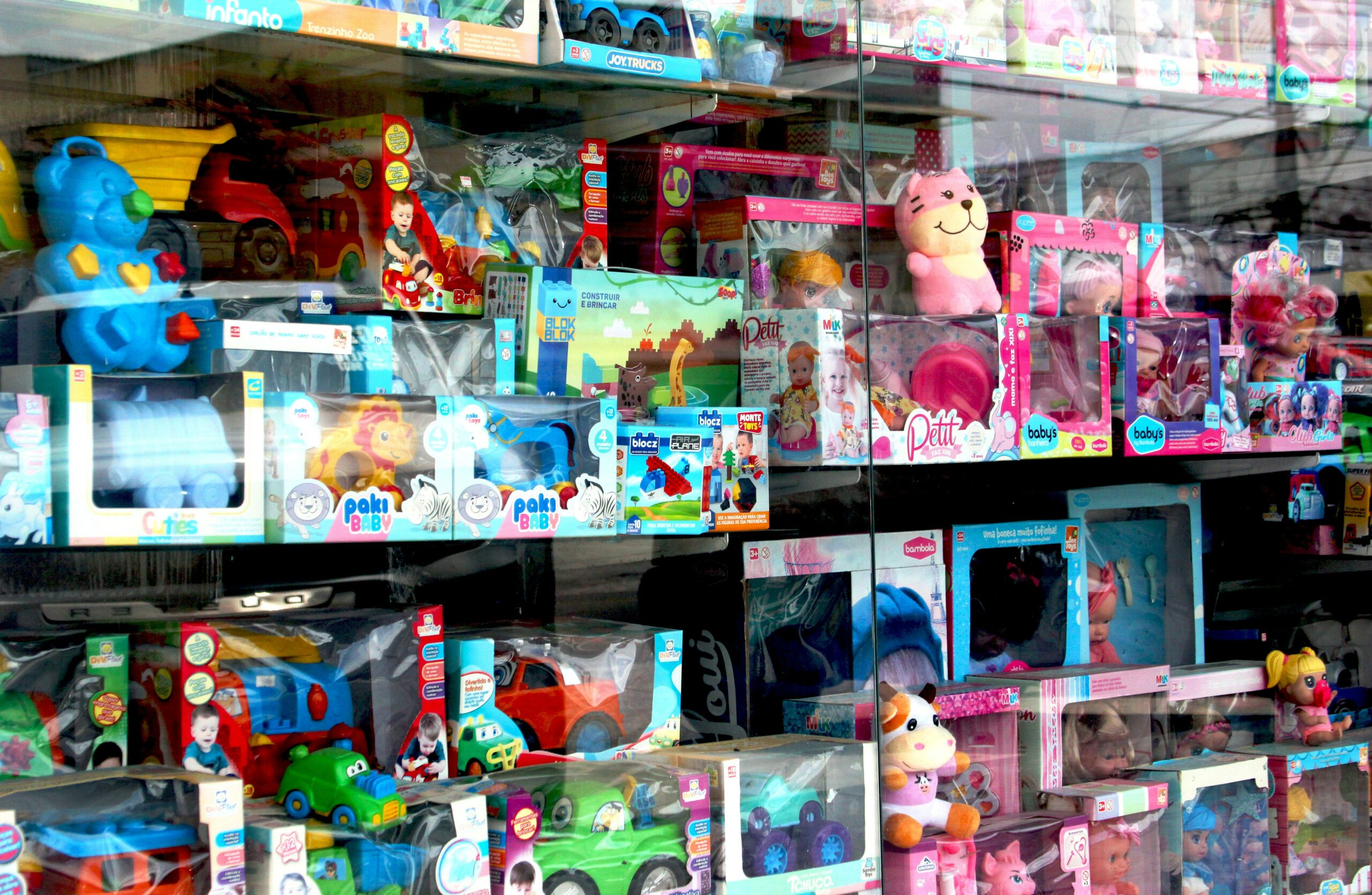
A good present for a young child should suit what they can do now while leaving room for curiosity and growth. That balance can feel tricky when shelves are packed with flashing lights, tiny accessories and ambitious age claims.
A few simple checks will help you find something that feels special, keeps play manageable for parents and remains useful long after the wrapping paper has gone.
Consider Age and Development
Start with the age guidance on the packaging, then think about the individual child. Children develop at different rates, so two three-year-olds may have quite different levels of coordination, patience and language. One might happily complete a simple puzzle while another prefers stacking blocks or acting out stories with figures.
For babies, look for presents that support sensory exploration, such as textured books, soft activity toys and easy-to-grasp shapes. Toddlers often enjoy filling, emptying, sorting and pushing objects. Preschool children may be ready for simple construction sets, dressing-up clothes and materials for drawing or modelling. School-age children can usually manage projects with more steps, although the activity should still feel achievable without constant adult help.
Consider the child’s current interests too. A child who talks endlessly about animals may enjoy matching cards or animal figures, while one who loves vehicles might spend longer arranging tracks and carriages. Familiar themes can make a new toy immediately inviting.
It also helps to ask a parent what the child already owns. This avoids duplicates and may reveal an obvious gap, such as extra pieces for a favourite building set or art supplies that are running low. A present that fits naturally into their existing play is likely to be opened and used regularly.
Prioritise Safety First
Check the recommended age, construction and condition before buying. Age labels often reflect safety risks as well as difficulty, particularly where small parts could present a choking hazard. The toy safety guidance recommends paying close attention to age recommendations and inspecting toys for hazards.
For children under three, avoid detachable pieces small enough to fit inside a cardboard toilet roll. Check that battery compartments close securely with a screw and make sure cords, ribbons or loops aren’t long enough to become tangled. Magnets deserve particular care, as loose high-powered magnets can cause serious harm if swallowed. The same applies to button batteries, which should remain fully enclosed and inaccessible.
Inspect painted surfaces, seams and edges. A wooden toy should feel smooth, with no splinters or peeling finish. Fabric items need secure stitching, while ride-on toys should feel stable on the floor. These gift safety checks offer a useful reminder to consider protective equipment and adult supervision where an activity calls for them.
Second-hand presents can be lovely and budget-friendly, but examine them closely. Look for missing components, cracked plastic and damaged electrical parts. Search for current product recalls where appropriate and wash the item according to its care instructions before giving it to the child.
Personalised Presents Stand Out
Personalisation can turn a practical toy or keepsake into something a family remembers. A child’s name, initials or birth date gives the gift a clear connection to them, which works especially well for birthdays, christenings and new-baby celebrations.
Think about how the present will be used before adding personal details. Embroidered towels, bookplates and storage bags are handy in shared spaces, while a named decoration may become part of the child’s bedroom for years. For a gift that combines a child’s name with hands-on play, Name Train Depot allows gift-givers to build a wooden name train with letter carriages, engine and caboose choices and optional Australian animal carriages.
Check every spelling carefully before ordering. Ask the parents if the child usually uses a shortened version of their name and confirm details directly instead of relying on social media or an old message. Personalised products are often made to order, so allow extra delivery time and read the returns policy before paying.
The personal touch can also come from you. Add a message inside a book, create a small box of family recipes or include a note explaining why you chose the present. The keepsake ideas in this guide to lasting christening gifts are useful well beyond christenings, especially when you want something a child can appreciate later.
Encourage Open-Ended Play
Choose toys that children can use in several ways. Blocks might become a tower one day, a pretend café the next and a home for toy animals after that. This flexibility gives children control over the activity and allows the same toy to suit changing abilities.
Simple materials often produce the longest play sessions. Wooden figures, magnetic tiles, play silks, modelling dough and washable art supplies don’t prescribe a single result. A child can experiment, make mistakes and start again without feeling that there’s one correct answer. For siblings or friends, open-ended materials can also encourage shared storytelling and negotiation.
Before buying, picture what the child will actually do with the item. If one button produces the same sound every time, its appeal may fade quickly. If the toy can be stacked, sorted, arranged or incorporated into pretend play, it offers more possibilities. Try asking yourself three questions: Can the child use it in more than one way? Will it still be interesting in a year? Can it work alongside toys they already have?
Avoid overwhelming the child with too many pieces at once. Parents can offer a small selection, then rotate items every few weeks. Even an old set of blocks can feel fresh when paired with cardboard tubes, toy animals or a roll of masking tape for making roads. Open-ended play doesn’t require a large budget. A well-chosen set of simple pieces often provides more lasting value than a cupboard full of complicated toys.
Focus on Durability
A durable present copes with being dropped, carried around and used repeatedly. Check how pieces join together, whether moving parts feel secure and whether surfaces can be wiped clean. Good-quality wood, thick board, sturdy fabric and solid fixings generally stand up well to ordinary family life.
Durability also depends on care. Washable pens are more practical than permanent ones for younger children, while machine-washable dressing-up clothes are easier to keep in circulation. If a toy needs batteries, see how often they’re likely to need replacing.
For outdoor gifts, check that materials suit the weather and that the item can be stored without taking over the shed. A durable product still needs regular inspection. Guidance on safe and thoughtful presents recommends checking toys over time for loose components, sharp edges and wear.
Think about repair and replacement parts as well. Building sets with standardised pieces can survive the loss of one component, while toys held together with screws may be easier to mend than sealed products. Storage matters too, so a strong box, drawstring bag or labelled basket can be a useful part of the present.
The best test is simple: imagine the gift after a year of ordinary play. If it can still be built, washed, shared or displayed, it has a good chance of becoming one of the toys the family keeps.
Leave a Reply