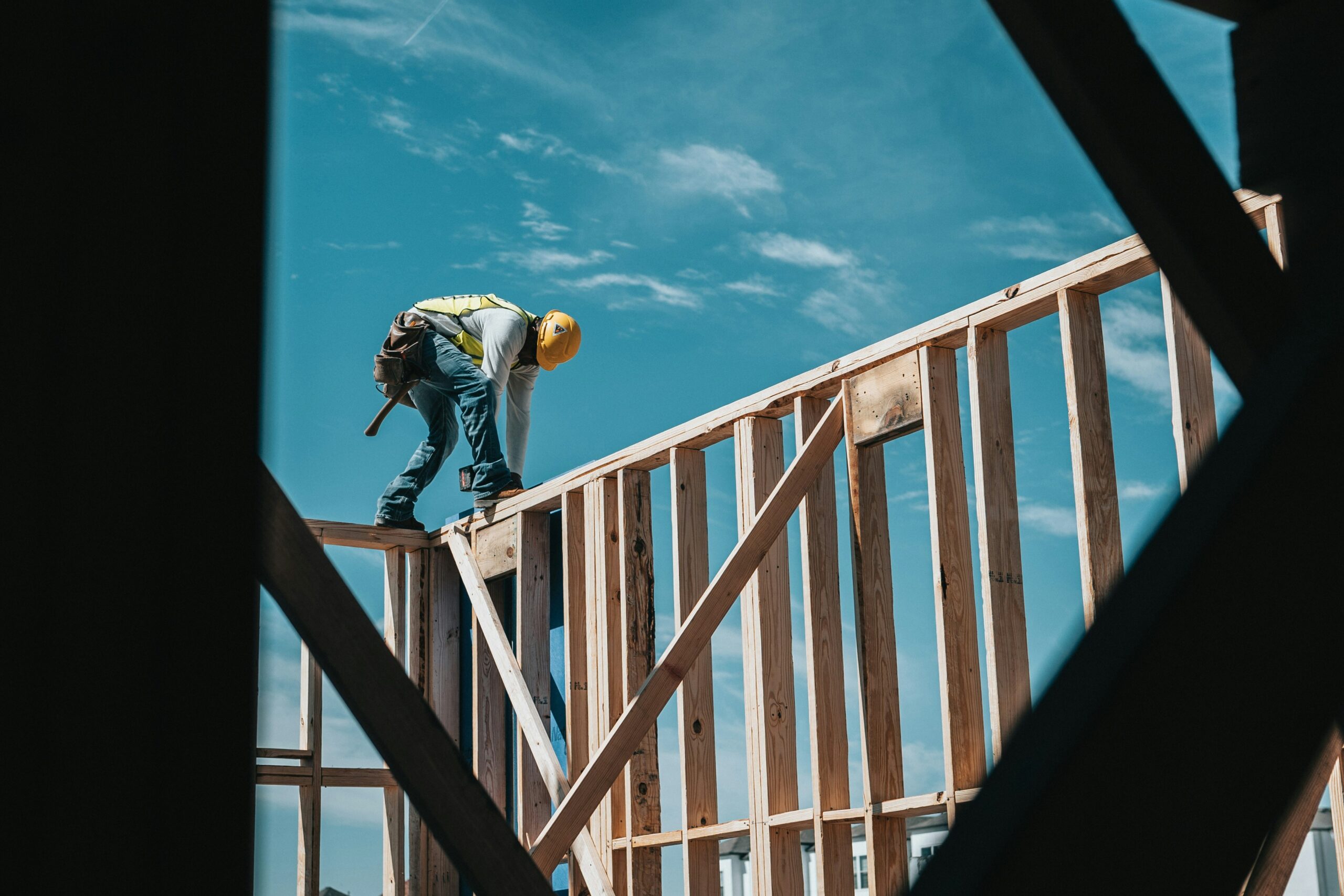
If you’ve got a plot of land, you may well have had the idea of building a new home on it. After all, it’s your lot, and you’re free to do pretty much whatever you want with it, as long as you have permission. Building a brand new home is the ultimate customization project. You have to think about every little detail, and you have to think about yourself and then work with experienced professionals who know how to make this a reality. What happens during this process?
Pre-construction
The first phase, as always, is pre-construction. This is the blueprint stage, even before the bulldozers arrive. You’ll want to line up your dream team. The two most important people you’re going to hire are your general contractor and your architect.
The architect is the person who creates the plans, and the general contractor is the company or team that has the skills to make them a reality. Standard mortgages don’t usually apply for self-builds, so you’ll probably need a construction-to-permanent loan. These are a bit like bridging loans that cover the cost of construction under the assumption that the final property will have some value.
Prep and groundwork
The next step is preparation and ground work. This is when the bulldozer has come in for demolition of any existing structures on the site.
This prep stage is critical because it allows you to grade the ground and remove any rubble, rocks, and debris. You can also clear the area where you’d want your new home to go, so you have plenty of room for your floor plan.
Framing and mechanicals
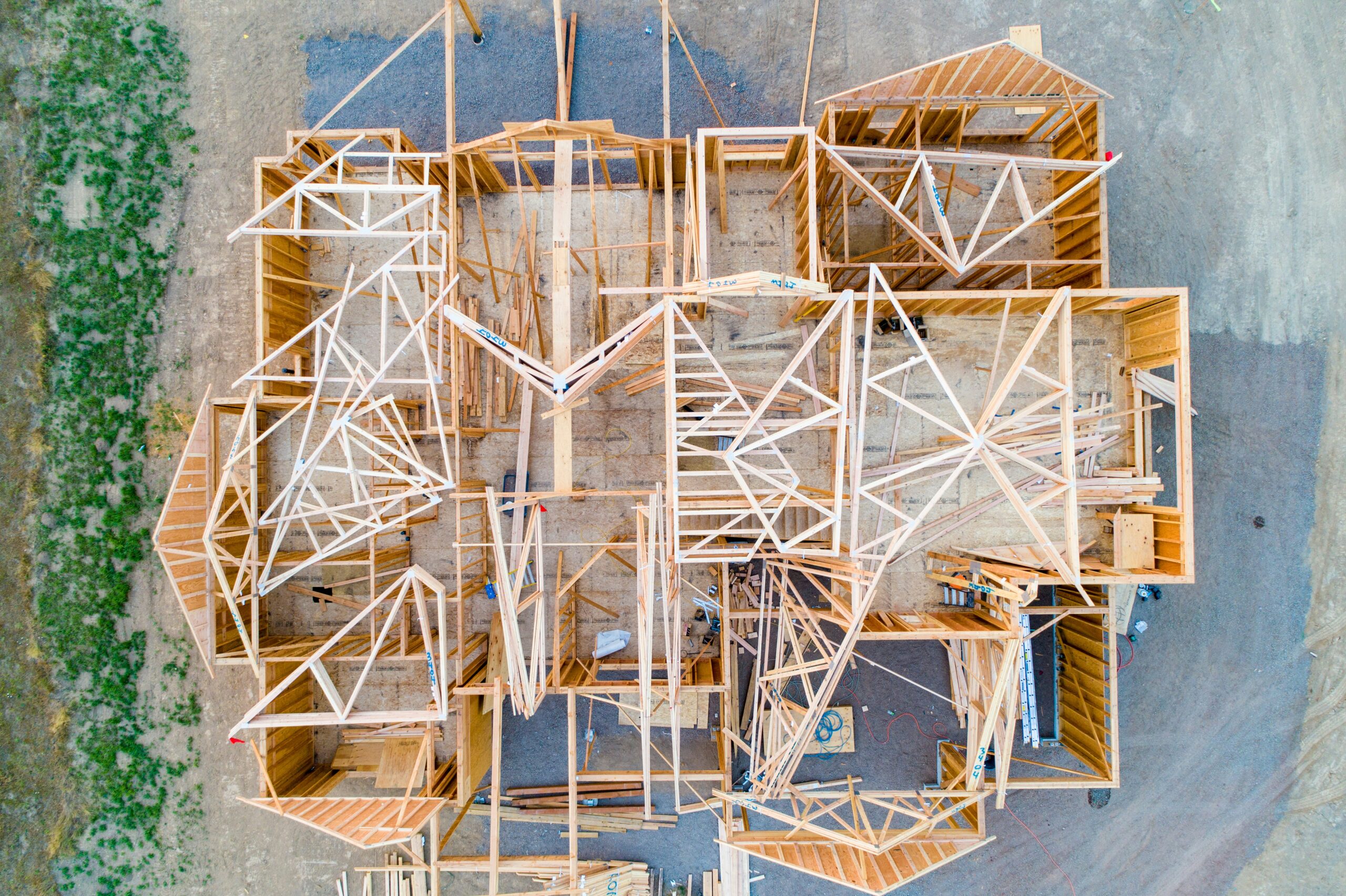
The Framing stage, combined with Mechanicals, is when your property finally begins to take shape. At this step, you may notice that it begins to look a bit more like a house. Framing allows you to see the skeleton of your new home, especially if you’re making it from wood and not from some other material like brick or concrete. During this phase, all of the bones of the house are filled out, including:
- the electrical wiring
- HVAC ductwork
- plumbing lines
These then have to pass local inspections before insulation and drywall are added. It’s a good idea to do it in this order, but make sure you know where all of your piping and electrical outlets should go ahead of time. This can be a bit of work, but it’s well worth the time investment to prevent headaches later.
Finishing and final countdown
The last step is the finishing and final countdown. This is where your personal style takes centre stage, and you have the most creative freedom. For example, you might want to choose the type of flooring you want to put down (perhaps hardwood herringbone), or you may be looking at getting quartz cabinetry installed in your kitchen or copper. Hammered copper sinks in your bathroom, whatever it is, these little final finishing flourishes are often the most exciting part of the whole project. Ultimately, the reward of a custom home is a flexible space that benefits you more than any other.
Leave a Reply