After a loss, you’ll often hear people saying the same phrases, like keep going and be strong, and so on. And those people are going to mean well, and they want to comfort you, plus they usually don’t really know what else to say.
But the problem is that it’s actually quite strange to expect someone to be strong when they’re grieving, even if it’s the usual thing to say, and loss shouldn’t be something you just try to power through, and instead it’s something you have to live with one day at a time. So keep reading to find out more about why you don’t have to be strong after a loss.
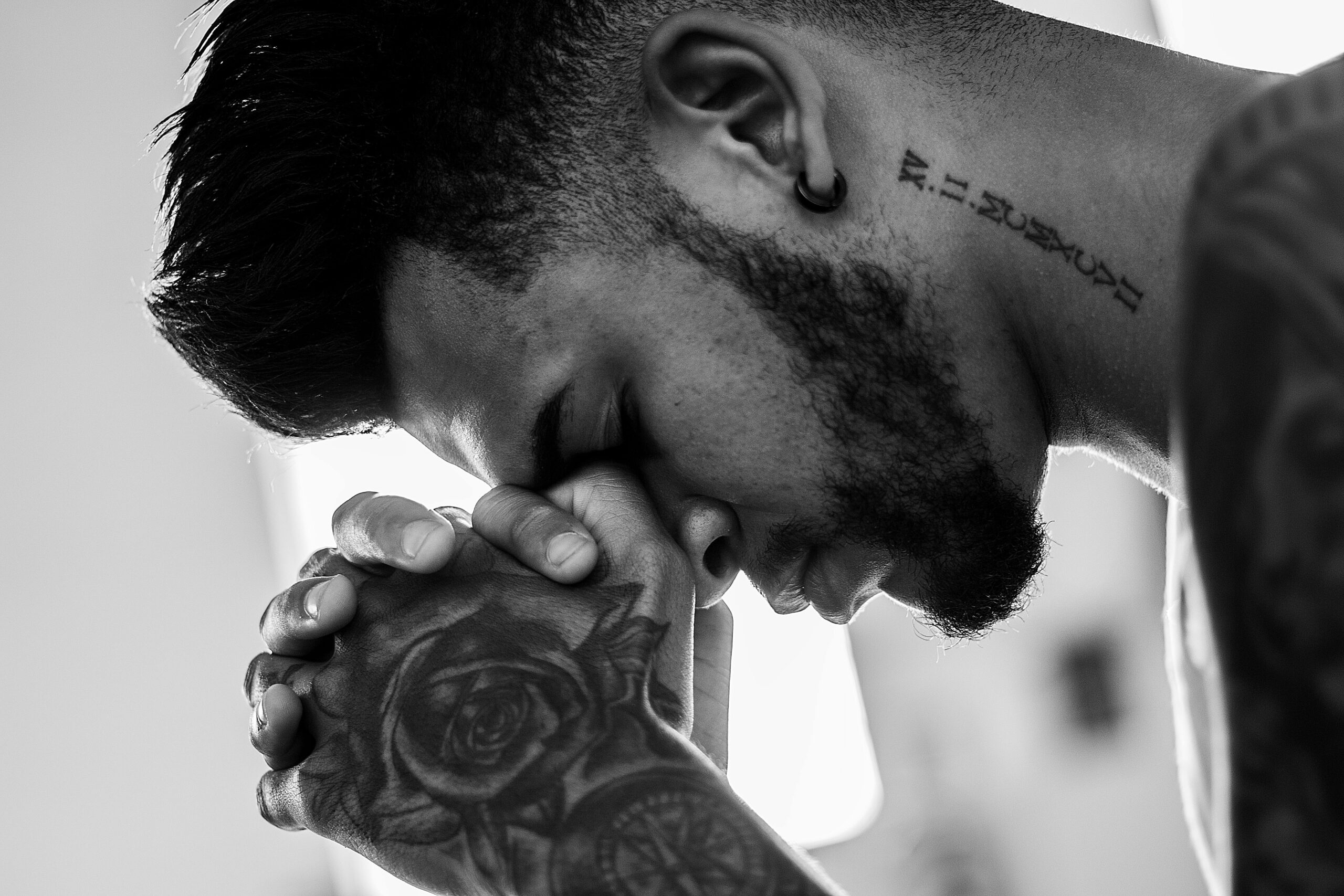
Grief Isn’t A Performance
There’s no right way to grieve – some people openly cry, others go completely quiet, some feel numb for weeks before they’re able to feel any emotion at all, some even laugh.
None of that means you’re doing something wrong, it’s just how your brain decides to help you through the grief, so you just need to do things your own way. The more you try to grieve how people expect you to grieve, the less real it’s going to be, and the healing process will take even longer because you’re not allowing yourself to feel.
You’re Allowed To Fall Apart
Being strong can very often be confused with being silent and holding it together and not needing anything. But the fact is that after a loss, needing support definitely shouldn’t be seen as any kind of weakness, and feeling broken isn’t any kind of failure. It’s a totally normal response to something that’s very painful.
What we’re saying is that you’re allowed to fall apart and feel like the situation is hard because it really is, and you might not be okay – and that’s okay.
Practical Choices Don’t Show Your Emotions
In the early days after someone dies, there are decisions to be made, and they usually have to be made at the very time you feel like you’re least able to make them. That’s why some people might decide to go with smaller, simpler arrangements because it just feels so much more manageable.
Choosing direct cremations, for example, can be a very practical option for families who want a bit less formality, privacy, or pressure. And the key thing here is that if you do go down the less complicated route, that doesn’t mean your grief is any less than anyone else’s – it just means you’re doing things in the best way for you.
Healing Takes Time And That’s Normal
There’s no deadline for when you stop grieving or stop feeling pain after the loss of a loved one, and it’s not going to stop hurting just because the funeral’s finished. So trying to be strong for an indefinite amount of time is sure to be difficult, and it might even make you unwell.
That’s why it’s better just to feel your feelings and do what you need to do without pretending to feel something you don’t or be someone you’re not.
Leave a Reply