Image credit: Unsplash
Cold weather can expose small problems around the home surprisingly quickly, from a slow radiator to a pipe tucked inside an unheated cupboard. Preparing before the first hard frost gives you time to deal with repairs without the pressure of a winter emergency. A weekend spent checking insulation, heating and draughts can also help your home feel warmer while keeping energy use under control.
Insulate Pipes Before Temperatures Drop
Start with pipes in the coldest parts of your home. Lofts, garages, basements and cupboards on external walls are common trouble spots, especially where pipework sits far from the warmth of your heating system. Foam pipe insulation is inexpensive, easy to cut and available in different diameters. Measure the pipe first so the insulation fits closely without being compressed.
Pay close attention to bends, joints and gaps. Straight lengths are simple to cover, but exposed sections around valves can still freeze. Taking a few steps to protect pipes during extreme cold can reduce the risk of freezing when temperatures fall sharply. Outdoor taps should also be isolated and drained if your system allows it, while garden hoses should be disconnected and stored away.
Know where your internal stopcock is and check that it turns freely. If a pipe begins leaking, shutting off the water quickly can limit damage to flooring, plaster and belongings. Common warning signs include reduced water flow, frost on visible pipework and unusual smells from taps or drains.
Never use an open flame to warm a frozen section. Gentle heat from a hairdryer can help, but a suspected split or inaccessible frozen pipe needs professional attention. If you notice ongoing drips, corrosion or damp patches while insulating, ask a qualified plumber to assess the problem before winter sets in. Taking early steps to prevent pipes from bursting during a freeze can also help limit damage when water inside the pipe expands.
Bleed Your Radiators Efficiently
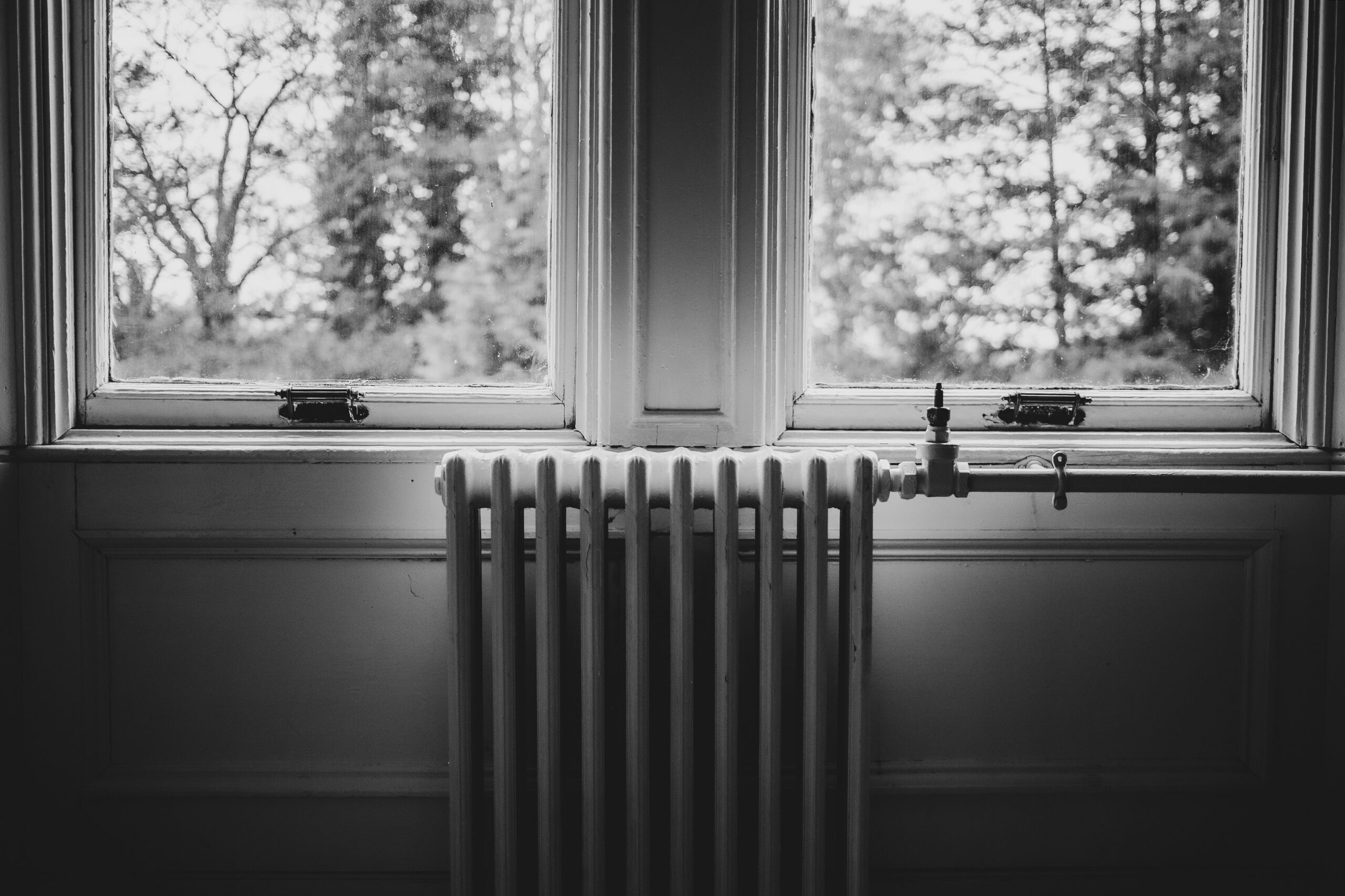
A radiator that feels cold at the top but warm at the bottom probably has trapped air inside it. That air prevents hot water from filling the whole radiator, so the room takes longer to warm up, and your heating system has to work harder.
Turn the heating off before bleeding any radiator and wait until the system has cooled. Protect the floor with an old towel, then hold a small container beneath the bleed valve. Use a radiator key to turn the valve slowly anticlockwise. You should hear a gentle hiss as the trapped air escapes. Once water starts to appear, close the valve carefully without overtightening it.
Work through the home one radiator at a time. In a multi-storey property, starting downstairs and moving upwards is usually sensible, although your heating system’s instructions should take priority. Check the boiler pressure afterwards because bleeding several radiators can cause it to drop. Many sealed systems operate somewhere around 1 to 1.5 bar when cold, but the correct range should be marked on the boiler or stated in its manual.
A radiator that remains cold at the bottom may contain sludge, which bleeding won’t remove. One cold radiator could also have a stuck valve, while several underperforming radiators may point to a circulation or balancing issue. Avoid repeatedly opening the bleed valve in the hope that performance will improve. Persistent gurgling, regular pressure loss or discoloured water deserves a proper inspection.
Once finished, switch the heating back on and check each radiator after 20 to 30 minutes. Even warmth across the surface is a good sign that hot water is circulating correctly.
Schedule an Annual Heating Inspection
Book a heating inspection before demand rises during the coldest part of the year. Late summer or early autumn is often a convenient time because any worn parts or operating faults can be dealt with before you depend on the system every day.
During a routine service, a qualified engineer can inspect the boiler, controls and visible connections. The exact checks depend on the type and age of the system, but the aim is to confirm that it operates safely and efficiently. Keep service records together with the boiler manual, warranty information and details of previous repairs. This paperwork gives the engineer useful context if a fault has appeared more than once.
Test the heating before the weather turns properly cold. Set the thermostat above the room temperature and check that the boiler starts, the radiators warm up, and the controls respond as expected. Run the system for long enough to reveal obvious issues, rather than switching it off after a couple of minutes. Watch for error codes, dripping water, unusual noises or pressure that falls soon after topping up.
Carbon monoxide alarms should be tested according to the manufacturer’s instructions and replaced at the end of their stated working life. The alarm needs to be positioned correctly, so follow its installation guidance instead of placing it wherever there happens to be space.
Don’t remove the boiler casing or attempt internal repairs yourself. If you smell gas, feel unwell or suspect unsafe operation, turn off the appliance if it’s safe to do so, ventilate the property and contact the appropriate emergency service. Routine maintenance is far easier to arrange than an unexpected loss of heating during a freezing week.
Check Seals Around Windows and Doors
Draughts make a heated room feel uncomfortable even when the thermostat shows a reasonable temperature. Check windows and external doors on a breezy day by moving your hand slowly around the frame. You may feel cold air near worn seals, letterboxes, keyholes or the gap beneath a door.
Self-adhesive foam or rubber strips can work well around opening windows and doors, provided the surface is clean and dry before fitting. Choose a thickness that closes the gap without preventing the window or door from shutting properly. A brush strip can help beneath an external door, while a covered letterbox plate reduces another common source of draughts.
Don’t block permanent vents or air bricks. Homes need controlled ventilation to manage moisture and maintain healthy indoor air, particularly in kitchens, bathrooms and rooms containing certain heating appliances. Focus instead on accidental gaps, damaged sealant and worn weatherstripping.
Inspect the outside of accessible frames for cracked sealant or obvious damage, but avoid ladders in wet, windy or icy conditions. Condensation between panes can indicate that a sealed glazing unit has failed. Water staining around a frame may point to a leak that needs investigation, especially if the mark grows after heavy rain.
Curtains add another useful layer at night. Make sure they don’t cover radiators, since trapped heat will warm the window area instead of circulating through the room. Open curtains during sunny periods and close them as daylight fades. Small adjustments like these improve comfort without setting the thermostat higher, and they’re particularly noticeable in bedrooms or living rooms with large areas of glazing.
Keep an Emergency Toolkit Handy
Keep a small winter toolkit somewhere easy to reach, not at the back of a packed loft or locked in an outdoor shed. Include a working torch, spare batteries, a radiator key, basic hand tools, a bucket, absorbent cloths and waterproof gloves. Pipe repair tape can help contain a minor leak temporarily, but it doesn’t replace a permanent repair.
Add a written note showing the location of the stopcock, electrical consumer unit and heating controls. Everyone old enough to respond safely should know how to switch off the water. If you’re away, a trusted neighbour or local contact may also need those details. Store useful telephone numbers on paper as well as in your mobile, since a flat battery can make a digital contact list inaccessible.
If a pipe freezes, turn off the water supply and open the affected tap to relieve pressure. Apply gentle heat gradually and follow safe steps for dealing with frozen pipes rather than using an open flame. Before freezing weather arrives, insulating vulnerable sections can also help protect exposed pipes from freezing.
Your kit should also include a few household basics for a short loss of heat or electricity, such as warm blankets, a charged power bank and any necessary medication. Check torch batteries and power banks at the start of winter instead of assuming they still work.
Label the main water shut-off clearly once you’ve found it. In the middle of a leak, that small detail can save valuable minutes and prevent a manageable problem from soaking the room below.
Leave a Reply