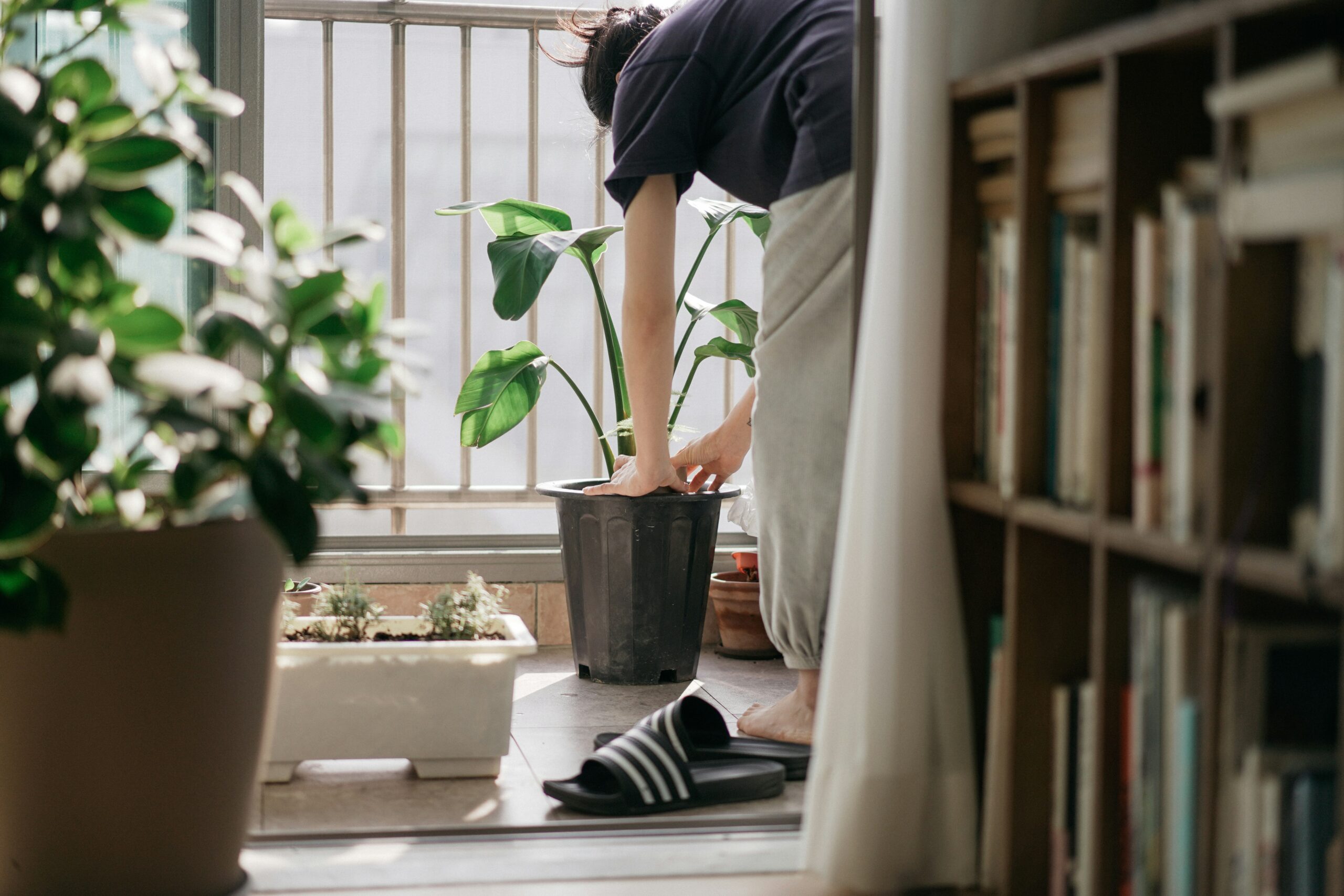
Image Credit: Unsplash
Outdoor plants need careful preparation if they’re going to arrive at a new home without broken stems, damaged roots or dried-out compost. Start several weeks before moving day where possible, especially for established specimens that must be lifted from garden beds. Plants can then recover from pruning and root disturbance before they travel.
It also helps to plan plants alongside the rest of your move. This guide covers practical details that are easy to overlook when your attention is split between packing, paperwork and garden jobs.
Prepare Root Balls and Pots Early
Four to six weeks before the move, inspect every plant and decide which ones are healthy enough to take. Remove dead growth, treat visible pests and prune sprawling stems lightly. Avoid severe pruning close to moving day because fresh cuts and disturbed roots place extra stress on the plant.
For garden specimens, the advice on moving garden plants recommends considering their size, season and suitability for transplanting. Dig around each plant to preserve a generous root ball, then wrap it in damp hessian or place it in a sturdy container. Repot cracked or overly heavy pots early. Ask your removalist about access, loading requirements and any restrictions before finalising your plant list.
Hydration Tactics Before Moving Day
Water plants thoroughly one or two days before departure, allowing enough time for excess moisture to drain. Compost should feel evenly damp, but saturated pots become heavier and may leak inside the moving vehicle. In hot weather, move containers into light shade during the final week to reduce water loss.
A mulch layer around larger root balls can help hold moisture, though loose materials should be secured with fabric or biodegradable twine. Keep a small watering can accessible for delays and check delicate plants during longer stops. Succulents and other drought-tolerant varieties usually need less water than leafy plants. Their compost should remain fairly dry during travel to reduce the chance of root damage.
Coordinate With Your Removalist for Loading
Tell the moving team how many plants you have and identify unusually tall, wide or heavy pots. Accurate measurements matter because a mature shrub may fit through the garden gate but not through the vehicle opening. Label boxes clearly and use open-topped crates to keep small pots upright.
Load plants after furniture and boxes so they’re easier to unload first. Never stack possessions on top of them. Tall stems can be gathered loosely with soft ties, while cardboard sleeves offer useful protection for foliage without trapping too much heat. Keep plants away from unstable items and allow some air circulation. If you’re travelling separately, transporting especially fragile or valuable specimens in your own car may be the safer option.
Help Specimens Settle in the New Garden
Unload plants promptly and place them somewhere sheltered from strong sun, wind and heavy rain. Check every container for cracked rims, compacted compost or exposed roots. Outdoor plant transplanting advice explains that preserving roots and replanting promptly helps reduce transplant stress.
Give plants a few days to adjust before placing them in brighter conditions. When planting into the garden, choose a position with similar light and drainage to the previous spot. Dig a hole slightly wider than the root ball, keep the plant at its original soil depth and water it slowly after backfilling. Hold off on strong fertiliser until new growth appears, as stressed roots can be sensitive.
Some drooping or leaf loss is normal during the first fortnight. Keep the soil consistently moist, check that taller plants remain stable and add temporary shade during unusually warm weather. Once fresh shoots appear, you’ll know the plant is beginning to establish itself in its new patch.
Leave a Reply