Image Credit: Unsplash
Small changes around the home can lower energy bills without turning daily life upside down. The best place to begin is with areas where energy quietly goes to waste, such as gaps around windows, ageing appliances and lights left on in empty rooms. Some improvements cost very little, while larger upgrades can repay their cost through years of reduced consumption.
A quick check of your latest bills will give you a useful starting point and help you see which changes deliver measurable savings.
Seal Drafts and Prevent Heat Loss
Check external doors, window frames, loft hatches and gaps around pipes for unwanted airflow. On a breezy day, you can often feel a draught with the back of your hand. Self-adhesive sealing strips, door brushes and suitable sealant are inexpensive fixes that can make rooms feel more comfortable within hours.
Curtains also help when they fit the window properly. Close them at dusk during colder months, but keep fabric clear of radiators so warm air can circulate. For larger projects, these warmer winter improvements offer useful ideas for insulation and other heat-saving work. Fix obvious gaps first, then assess whether loft or wall insulation needs attention.
Rethink Your Major Domestic Appliances
Large appliances can account for a sizeable part of household electricity use, particularly when they’re old or poorly maintained. Clean the coils behind your fridge, clear tumble-dryer filters after every load and use the washing machine’s eco setting where practical. Running full loads also reduces the number of cycles needed each week.
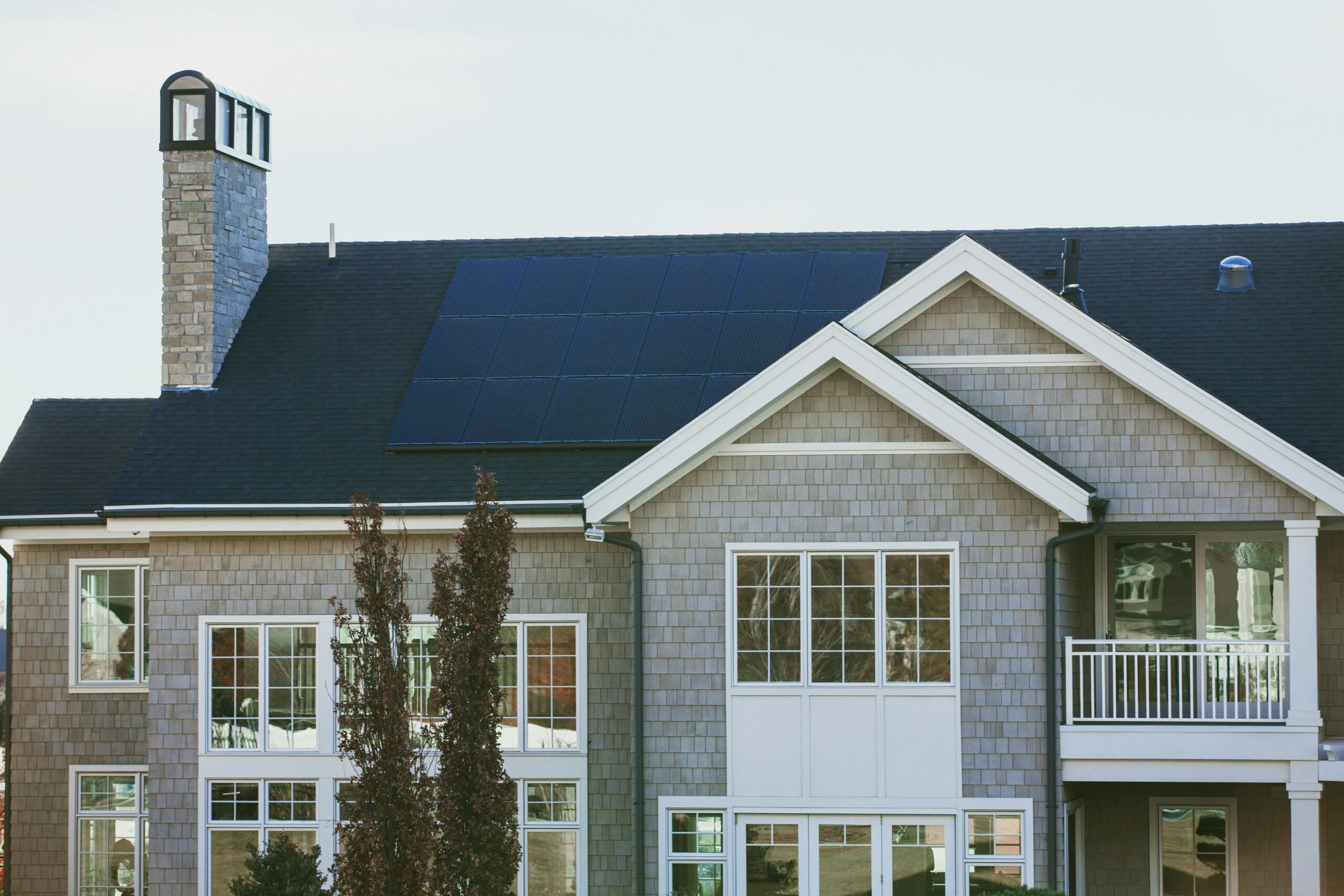
When an appliance needs replacing, compare its energy label and estimated annual consumption, not only its purchase price. A slightly dearer model may cost less over its working life. Homes that generate electricity through solar panels may also benefit from scheduling dishwashers and washing machines during daylight hours. If an existing system’s output has fallen unexpectedly, arrange professional servicing before assuming normal household demand is responsible.
Harness Daylight for Everyday Electricity
Arrange frequently used spaces so daylight does more of the work. Moving a desk, reading chair or craft table closer to a window can remove the need for a lamp during much of the day. Clean windows and open blinds fully, as even a small increase in natural light can make a room feel brighter.
Where artificial lighting remains necessary, replace frequently used bulbs with LEDs. Prioritise kitchens, hallways and living rooms before changing bulbs in cupboards or spare rooms. Mirrors and pale interior surfaces can also distribute daylight further into darker spaces. Broader home energy efficiency tips can help you identify other easy adjustments that suit your property, budget and usual routine.
Monitor Daily Consumption Habits
Start with a seven-day check of when and where you use the most energy. Record meter readings at the same time each day, then compare weekdays with weekends. A plug-in energy monitor can reveal how much electricity a television, desktop computer or second fridge consumes, including power used on standby.
Heating and cooling habits deserve close attention. Adjust the thermostat gradually, close doors between heated and unheated rooms and switch systems off when the house is empty. Check your bill again after a full billing cycle, allowing for seasonal temperature changes.
The most useful figure is your household’s normal daily consumption. Once you know it, an unexplained rise becomes easier to spot and a successful upgrade shows up clearly in pounds and kilowatt-hours.
Leave a Reply