A day out in London works best when it isn’t treated like a checklist. The city resists being neatly consumed. It shifts depending on where you stand, what you’ve already walked through, and how willing you are to drift off course. The ideal approach is to anchor yourself with a few key moments, then leave space in between for the unexpected. Morning is usually the easiest entry point. London feels different before it fully wakes up; pavements still a little open, transport flowing without its full weight of commuters, cafés in that quiet phase where everything is being wiped down and set out for the day.
Starting Out
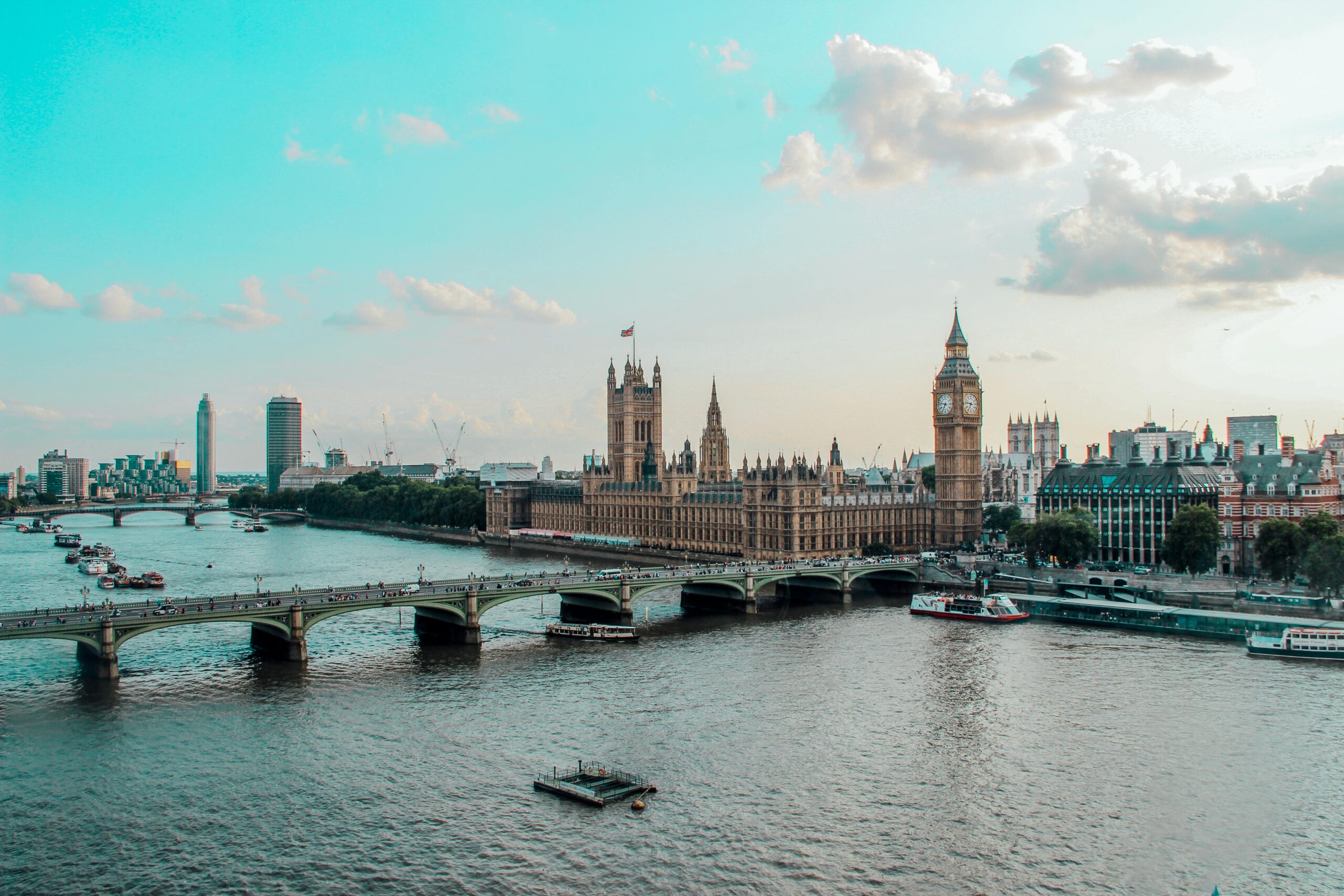
Starting somewhere central gives you options. Covent Garden works well for this, not because it’s the most original choice, but because it’s efficient in a city where efficiency matters. You can grab a coffee, step into the piazza as it begins to fill, and immediately have theatre, markets, and side streets branching out in every direction. From there, it makes sense to move on foot rather than relying too heavily on transport straight away. London rewards slow navigation. Walking from Covent Garden towards the Thames brings you through streets that compress and release in rhythm: narrow lanes suddenly opening into wide views, shopfronts giving way to institutional stone, buskers dissolving into the background hum of traffic.
South Bank
The South Bank works best when you don’t try to “do” it. It’s easy to fall into the trap of ticking off the London Eye, the National Theatre, the book market under Waterloo Bridge. Instead, it’s more interesting to just move along it and let fragments catch your attention. A sculpture you hadn’t noticed before. A performer whose timing pulls a crowd. The river itself, which always looks slightly different depending on weather and tide, never quite stays still even when everything else feels settled.
Lunchtime
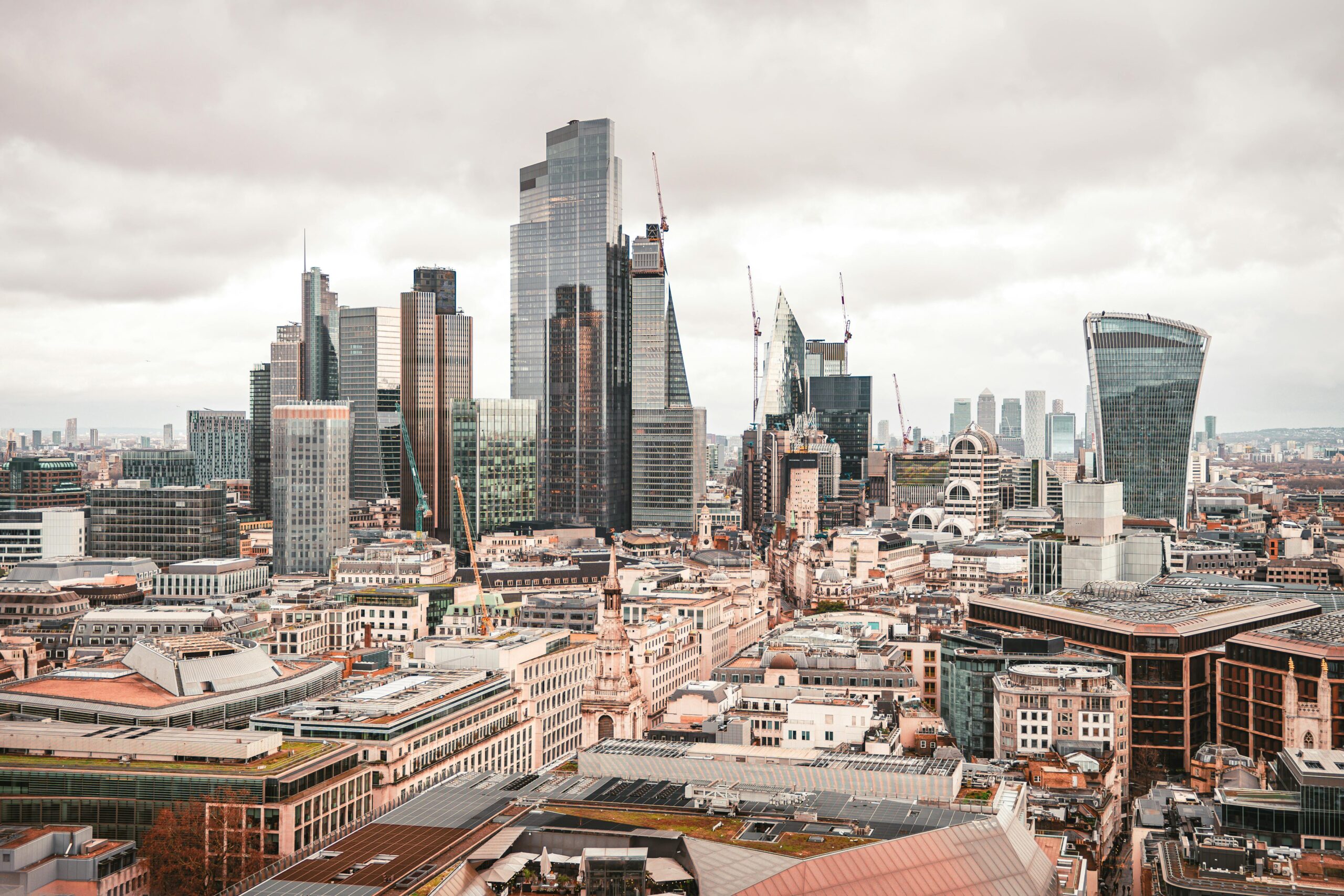
At this point, lunch becomes less about location and more about mood. Central London offers everything from quick counters to more deliberate sit-down places, but it’s often better to start drifting east or west depending on how the day feels. If you head east, you start moving towards finding a Canary Wharf restaurant, which is a noticeable change in atmosphere. Here’s something slightly surreal about eating well-prepared food while surrounded by such concentrated business energy, as if the city is briefly revealing its quieter operational side beneath the surface.
Landmarks & More
As evening approaches, the city starts to reassemble itself around light. Streetlamps come on gradually rather than all at once, and reflections become more pronounced on wet or polished surfaces. This is the point where choosing a final location matters less than choosing a direction. You might head back towards the river, where landmarks like the London Eye begin to glow against the darkening sky, or stay in the west where restaurants and bars begin to fill.
Leave a Reply