There are many ways you can find out where issues are starting to develop within your home. Most people have seen how their habits develop within a home at the 6-month point. For instance, there is a drip coming from the faucet in the en-suite bathroom. The exhaust fan above the bathroom is much louder than it was six months ago. When it’s cold outside, you notice a slight musty smell emanating from the bottom of the cabinet under the kitchen sink. None of these seems like a major issue, so you just ignore them. Performing a mid-year home health audit helps you catch those little problems before they become bigger problems that cost money, inconvenience you, or turn into big messes.
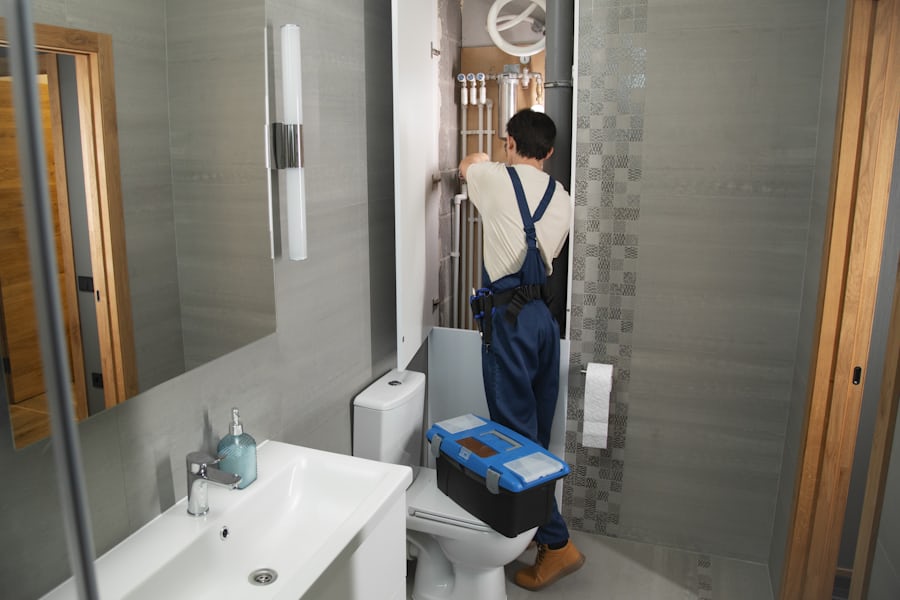
Via Unsplash
Where Do Problems Go Unseen?
You probably could walk across the same spot on a ceiling or the water stain along the edge of a baseboard multiple times (months) without even noticing it. Because of habituation, the same problem fades away over time.
A mid-year inspection is also a great time to give extra attention to areas of your home that usually get overlooked during cleanings. Behind toilets. Windows. Sinks. Bath Panels. Signs include swelling, discoloration, peeling paint, or warped wood, which indicate too much moisture somewhere it should not be present. A small leak does not always mean there is a large leak, but it means some type of corrective action needs to occur.
In addition to catching issues early on, a plumber can help you determine what you need to fix. Small hidden leaks will stay small for an extended amount of time until they grow larger and start to soak cabinets, etc., and/or provide nutrients for mold growth behind walls.
Drains Are Taking Longer To Drain Than Normal
Most people view slow drainage as a minor issue. You might simply reduce usage of your sink, or you might think you will deal with it later.
Every time a drain changes its rate of flow, there is something causing it. Hair build-up, grease, soap scum, and premature blockages in old pipes are examples of possible reasons for slow draining. Your kitchen sink is taking longer to drain. Your shower tray holds water around your feet. Your sink basin makes the “glug-glug” noise after you brush your teeth.
This is important because slow draining puts additional back-pressure in undesirable places. Eventually, backed-up water and odors will show themselves, creating more stress on the plumbing system.
Cleaning the trap, unclogging stoppers/clog assemblies, and flushing each drain thoroughly can help to correct slow draining. However, if several drains are showing similar behavior, it would probably be best to obtain professional assistance (do not wait for things to fix themselves).
Service Areas Doing All The Heavy Lifting
Areas of utility in homes (such as laundry room, hot water heater closet, and outdoor spigot) rarely get inspected unless something goes wrong. These are actually two of the hardest-working service areas in the house.
Look for signs of rust on fixtures, moisture buildup at joints and connectors, and slow drips at valve assemblies. Check the condition of washing machine hoses, particularly if they appear brittle or slightly bent. Although you may feel cool or damp compared to other parts of the floor near your hot water tank, check the area next to it.
Even though these are unglamorous inspections, they are very practical ones. Leaky hoses or worn-out valve assemblies can create more disruption than any part of your home that is more glamorous.
Leave a Reply