Car ownership sounds simple at first. Get from A to B, have that freedom, not rely on anyone else. It feels like something that just makes sense, especially when you first get one.
But then the costs creep in. Fuel, repairs, insurance, things you can’t really ignore. And over time, it starts to feel less like freedom and more like something you’re constantly dealing with. That’s where the idea of selling begins to make more sense.
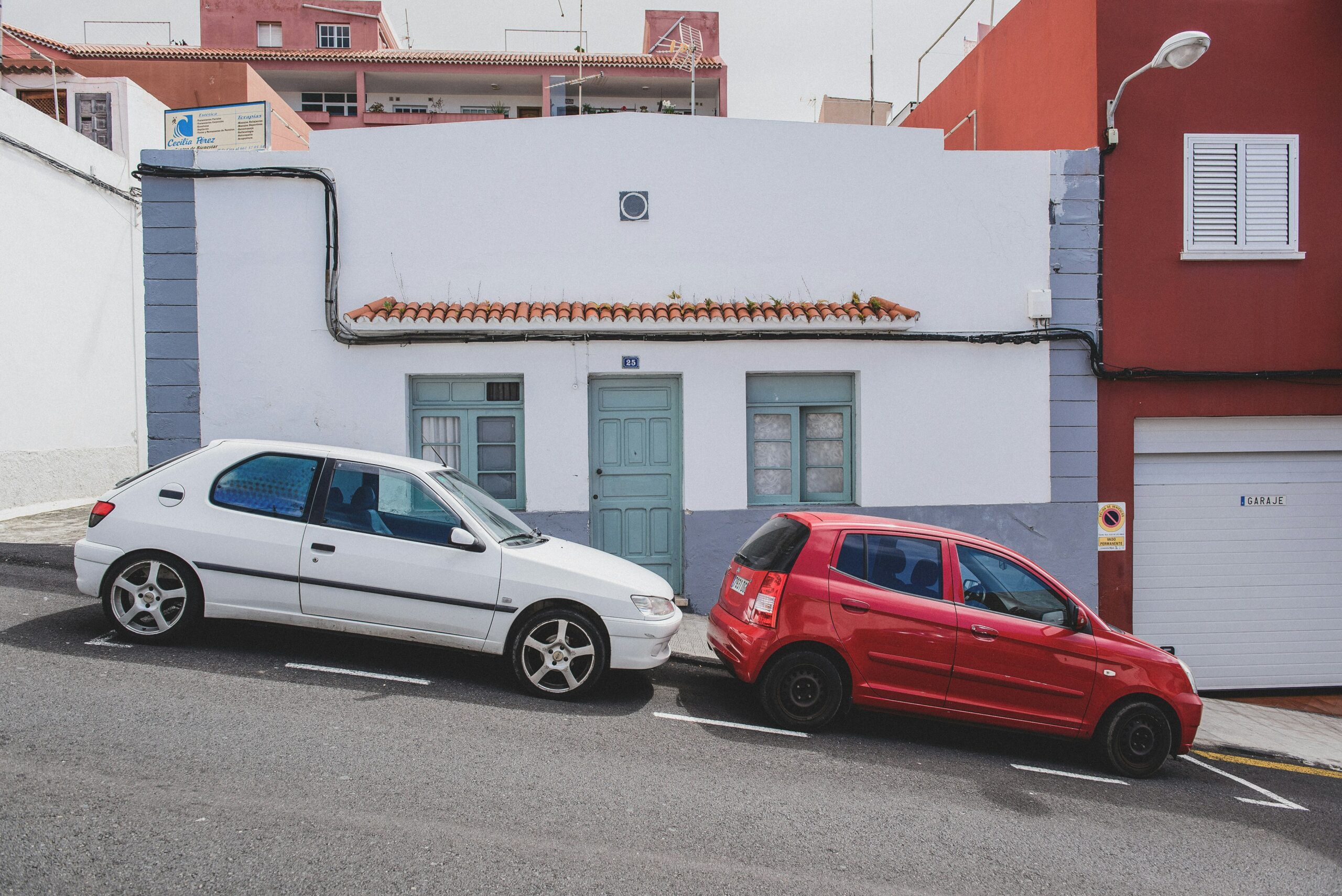
Source: Unsplash (CC0)
That “small” expense that keeps growing
At the start, the costs don’t feel too bad. You budget for fuel, maybe a bit for maintenance, and assume that’s about it. It seems manageable. But then things stack up. A repair here, a part replacement there, insurance creeping up every year.
Suddenly, it’s not just one cost, it’s a constant stream of them. And it hits harder when you remember how much you try to save money when buying your first car. All that effort to keep things affordable, only to realise the real cost shows up later.
You don’t use it as much as you thought
There’s a point where you start noticing how often your car just sits there. Parked. Unused. Days go by, sometimes weeks, and it barely moves. So you tell yourself it’s fine. You’ll use it more soon. It’s still useful to have.
But deep down, you know it’s not part of your daily routine anymore. Public transport, walking, even short rides, they start replacing what the car used to do. And once that happens, keeping it starts to feel harder to justify.
Older cars come with more hassle than expected
As cars get older, they don’t just stay the same. Things wear down. Parts become harder to find. Repairs take longer and cost more. And it’s not just the occasional issue either. It becomes a pattern. Something always needs fixing, and it never feels like you’re fully done with it.
Insurance can creep up too, especially when the car isn’t seen as reliable anymore. So you end up paying more for something that gives you less. It starts to get frustrating.
Selling feels like a big step but it doesn’t have to be
There’s always that hesitation when you want to finally get rid of your car. Selling feels final, like you’re giving up something important. So you hold onto the idea that maybe it’s still worth it. But once you look into it, it’s usually simpler than expected. You can get an instant car valuation and quickly see what your options look like.
And that clarity helps. It turns the idea from something vague into something you can actually act on without overthinking it. It makes selling far more realistic. Attainable. A practical decision.
Once the car is gone, a lot of those small and constant worries disappear with it. No more surprise repairs. No more ongoing costs that feel never-ending. You adjust faster than you think. Find other ways to get around. Build a routine that doesn’t rely on something you weren’t using much anyway.
Leave a Reply