For those living with a physical disability, the bathroom represents one of the biggest risks within the home. This means that if you’re running a residential home, have a loved one who lives with you and has a disability, or you yourself have a newly diagnosed disability to consider, you’ll need to put your efforts here first.
Designing a bathroom to accommodate a physical disability isn’t as easy as you think. It’s rarely simply a case of installing a couple of handrails; every situation is different, and solutions need to be bespoke.
To get you started, this short article will cover four key adaptations to think about as you work to make your bathroom as safe as possible.
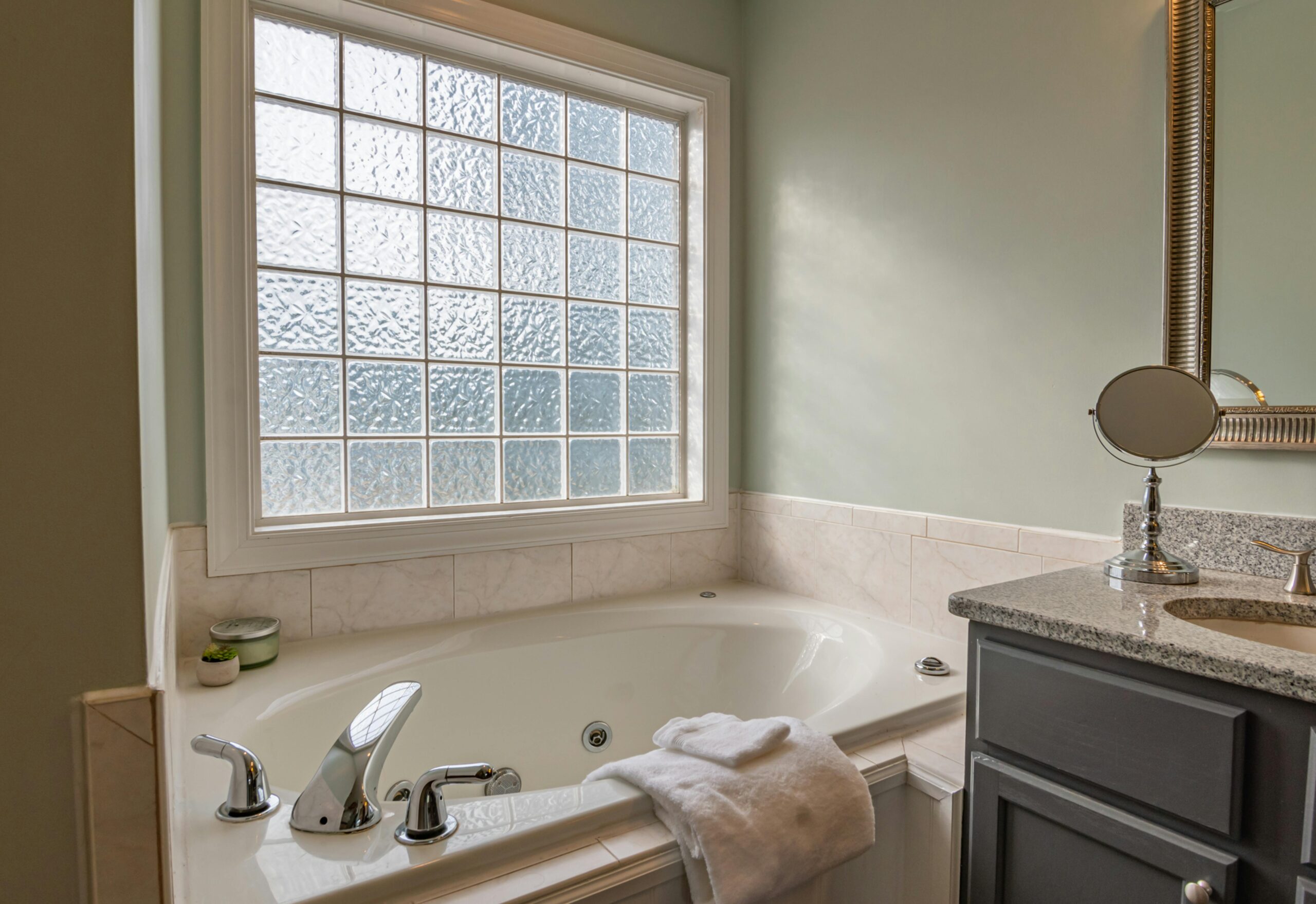
Image Credit: Pexels
1. Barrier-Free Entry
For starters, you’ll want to consider how people enter and exit the room, and that all starts with the doorway. An adequate doorway will be at least 850mm or more so that wheelchairs and walkers can be manoeuvred without issue.
You’ll also need to think about the manoeuvrability of these aids within the room. Both wheelchair and walker users must have enough room to turn (1500mm at 360 degrees is a good ballpark). When considering where your fixtures are going to go, have this requirement in mind.
Remember, this isn’t just a matter of convenience – it’s also a matter of safety.
2. Accessible Toilets
Accessible toilets are a must for any bathroom designed with disability in mind. These sorts of toilets are specially designed to be at a height most comfortable to support a wide range of disabilities, usually featuring seats that are around 18 inches above the floor for ease of access.
Many of them also have bidet functionality that allows the user to wash rather than use toilet paper for better ease-of-use and hygiene, and they generally have more surface area so that it’s easier to sit down and remain stable.
Accessible toilets generally require more floor space, however, so you’ll need to factor this into your overall design.
3. Strategically Placed Handrails
While handrails are rarely enough on their own, they’re still a key piece of infrastructure for supporting bathroom mobility.
You’ll want to have handrails and grab bars positioned strategically around the toilet, shower, and bath so that users can support themselves on slippery surfaces (they’re one of the best ways of reducing falls).
4. Non-Slip Flooring
One of the most important additions to include is non-slip flooring. These materials are comprised of specially designed tiles or vinyl with textured surfaces that help the feet remain firmly planted even in wet conditions.
Without them, even with a handrail, a person is still at risk of falling over, especially if they have to use a wheelchair or walking frame. There are many different types of non-slip flooring available, so be sure to consult with a professional to find the right fit.
Wrapping Up
You should now have a better idea of what it takes to design a disability friendly bathroom. There’s more to consider than what’s been covered here, but start with these elements, and you’ll be well on your way.
Leave a Reply