Sleep and back pain are more related than you think, especially if you’ve started the new year with a fitness resolution. When you exercise during the day, your body uses sleep to recover and rebuild the micro muscle tears. So, lack of sleep can actually contribute to a lack of recovery and potential back pain.
But, at the same time, it doesn’t matter how much you sleep if your mattress is not suited to your sleeping position. The right mattress is designed to support your body, keep your spine aligned, and allow muscle relaxation while you sleep. The wrong mattress will do none of those things. So, with that in mind, here’s what to consider next time you visit bed shops to find your dream mattress.
You Are a Back Sleeper
Back sleepers need mattresses that support their natural spine alignment and curvature without allowing the lower back to sink too deeply.
The best choice tends to be a medium-firm to firm mattress. This level of firmness is supportive to back sleepers and remains comfortable around the shoulder and hip areas. Both memory foam and pocket sprung mattresses are fitted thanks to their structured support and appropriate weight management.
It’s worth testing that the mattress isn’t too soft, as this can cause the hips to dip, which can contribute to lower back strain. On the other hand, if the mattress is too firm, it can create pressure points.
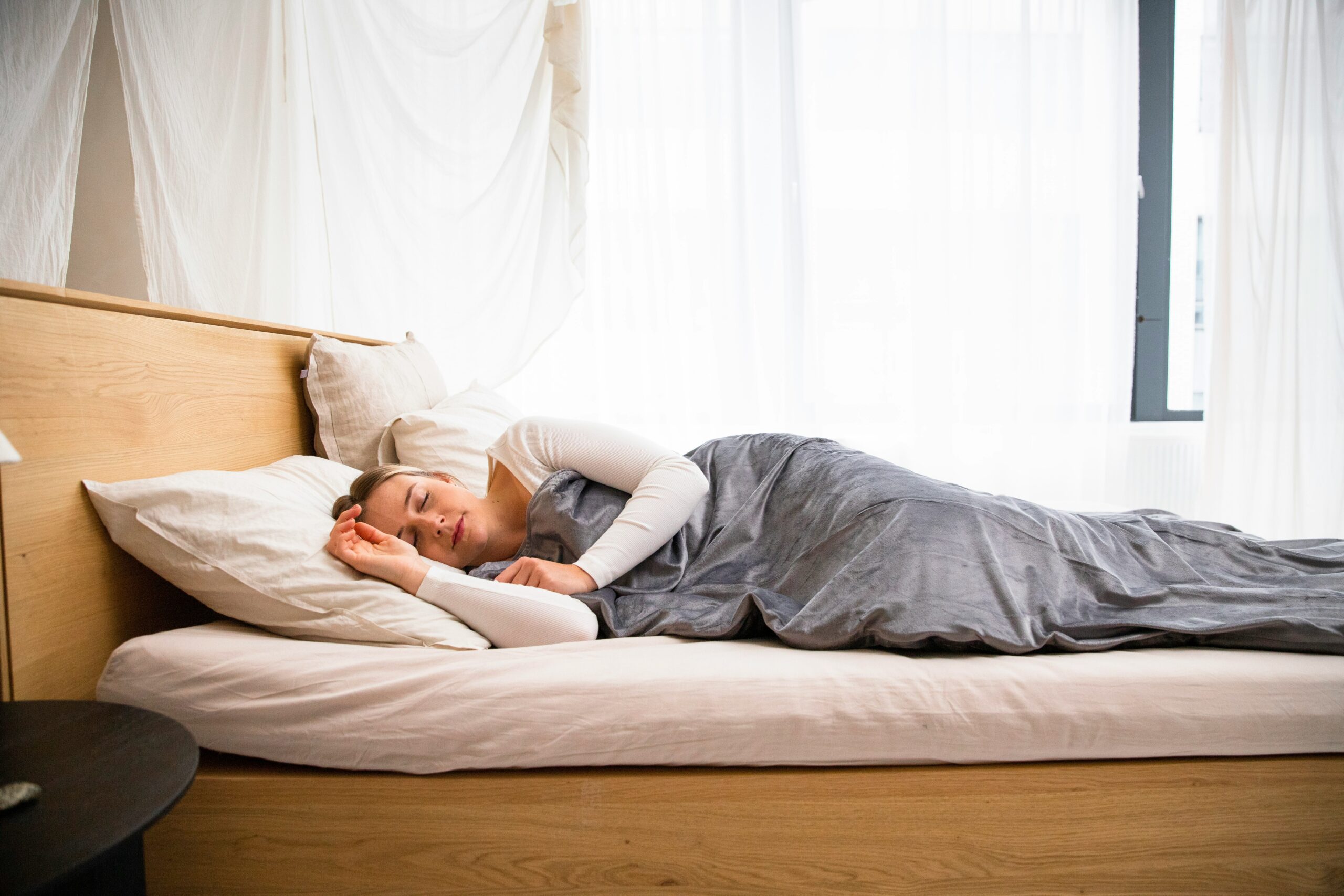
You Are a Side Sleeper
For side sleepers, most of the weight repartition goes through the shoulders and hips. So, it’s important to find a mattress that will provide sufficient pressure relief. Firm mattresses are not a good choice because they can lead to joint pain in the long term.
Side sleepers have the best nights on medium-soft to medium mattresses that let their shoulders and hips sink but remain supportive of the spine. Ideally, memory foam and hybrid mattresses that cushion pressure points are the best purchase, as they can adapt to the sleeper’s shape.
You Are a Front Sleeper
Front sleepers can have a hard time choosing the right mattress, as their position can place strain both on the neck and the lower back areas. So, it is essential to test thoroughly to ensure you get the right support.
A firmer mattress is best suited to ensure the midsection doesn’t sink too much. This could accentuate the curve of the lower back, which can lead to back pain and discomfort. You want to focus on firmer foam and pocker spruing mattresses that can provide support in this position.
However, it’s best to stay away from mattresses that are too thick, as the excess cushioning could compromise the spinal alignment around the neck area.
A Word on Pillows
Mattresses are one thing, but you should also consider pillows. The right pillow is designed to support the neck and keep your head aligned.
For back sleepers, a medium-support pillow can help ensure the natural curve of the neck is kept aligned while you sleep. Side sleepers often struggle with pillows, and for many, specially designed ergonomic pillows are a worthy investment. Front sleepers, on the other hand, should stick to a flat and soft pillow to keep strain to a minimum.
In conclusion, if you struggle with frequent back pain, this is your sign to check if your mattress and pillow are right for you.
Leave a Reply