Image Credit: Unsplash
A tidy pantry should make food easier to find, keep ingredients fresh and prevent pests from settling in. Clear jars can help, but they’re only one part of a storage system that also needs secure packaging, regular checks and sensible cleaning habits.
The best pantry organization works behind the cupboard door as well as it does in photographs. That means paying attention to crumbs, expiry dates, container seals and the small gaps that give ants access to food.
The Aesthetic Trap of Decanting Food
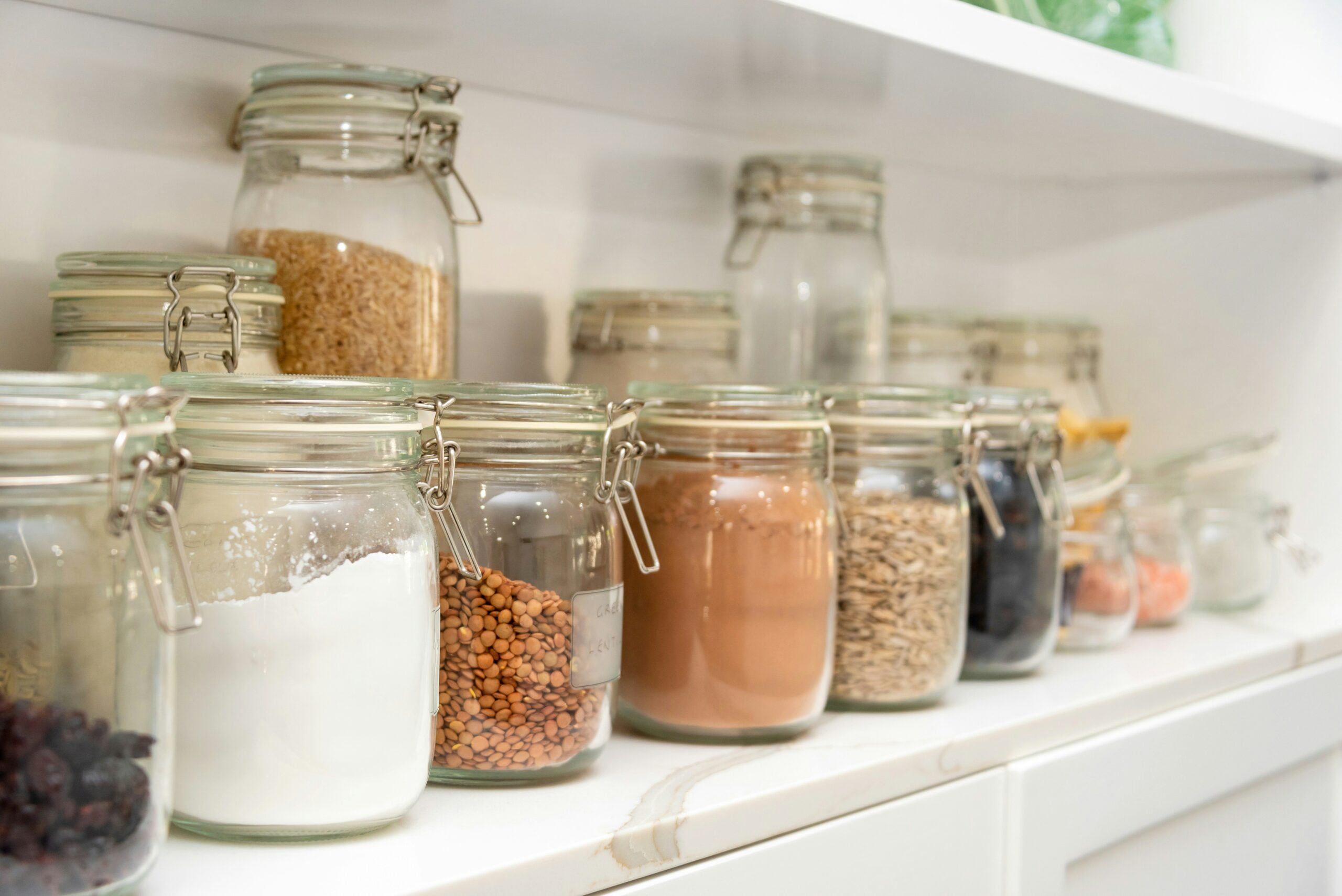
Rows of matching containers create an orderly look, and the viral pantry trend has made decanting especially popular. Yet transferring every ingredient can create problems if containers don’t seal properly or labels omit useful information.
Keep cooking instructions, allergen warnings and expiry dates when you decant food. You can cut the relevant panel from the original packet and place it inside the container or attach a dated label outside. Practical food decanting guidance also supports choosing which products genuinely benefit from containers. Flour, rice and cereal are good candidates, while individually wrapped snacks may be easier to manage in baskets.
Common Storage Flaws That Attract Ants
Ants need very little food to keep returning. A few sugar grains beneath a jar, a sticky honey bottle or crumbs caught in a shelf join can provide a dependable source. Thin paper packets and loosely folded plastic bags also offer limited protection once pests discover them. For more ways to prevent infestations, this guide to keeping your home free of pests explains how regular cleaning, sealed food storage and attention to early warning signs can help keep unwanted visitors away.
Check container lids for cracks, warping and food residue around the rim. Wipe bottles before returning them to the shelf and place opened dry goods in sealed containers. Pet food deserves the same care, particularly when a large bag remains open for several weeks. Look beyond the shelves too. Gaps around pipes, window frames and cupboard backs can serve as entry points that cleaning alone won’t close.
When Daily Cleaning Isn’t Enough
Frequent wiping can remove food trails, but repeated ant activity often signals a hidden access route or nearby nest. You may clean the counter at night and still find a fresh trail beside the kettle the next morning. Spraying or wiping away visible ants can disrupt that particular trail without addressing the source.
Track where ants appear and where they disappear. Check under appliances, behind kickboards and near plumbing, taking care not to disturb electrical fittings. Seal obvious gaps once you’re confident they aren’t trapping moisture inside a wall or cabinet. If activity continues for several days, spreads to multiple rooms or returns after treatment, the issue has moved beyond routine pantry maintenance.
Enlisting Professional Pest Control
Professional help makes sense when ants persist despite secure storage and careful cleaning. It’s also sensible when trails emerge from inaccessible wall spaces, infestations affect a business or you’re unsure which species is present. Different ants may require different treatment methods, so random household products can waste time and scatter activity to new areas.
Homeowners and business owners dealing with recurring infestations in Geelong can consider local pest control services for assessment and removal. Before an appointment, note when activity peaks and photograph the trails. Avoid moving every item immediately unless instructed, since the existing pattern may help a technician identify entry points and likely nesting areas.
Long-Term Food Security Routines
Give the pantry a five-minute check each week. Wipe shelf edges, inspect opened packets and move older products to the front so they’re used first. Once a month, lift baskets and small appliances to clear hidden crumbs. A deeper quarterly check can cover expiry dates, damaged packaging and loose shelving.
Keep new groceries separate for a moment before putting them away. Flour, grains and dried fruit should be checked for torn packaging, webbing or unusual clumping. Wash and dry reusable containers before refilling them, since topping up an old batch can hide stale food at the bottom.
A pantry works best when every container earns its space and every shelf is easy to inspect. The real sign of success is a cupboard where tonight’s ingredients are visible, sealed and ready to use.
Leave a Reply