Image Credit: Unsplash
Trying to balance work, family, health, and personal time can feel like a full-time job itself. Social media often makes it look effortless, but real balance has little to do with perfection. It’s about choosing where your energy matters most and creating a life that fits your priorities, needs, and happiness. Instead of trying to do everything, the goal is to build a routine that leaves room for what truly matters.
Defining Your Ideal Balance
Before you can even start thinking about balance, you need to figure out what it actually means for *you*. There’s no one-size-fits-all answer. For one person, it might mean saving weekends for family adventures, while for another, it could be about carving out quiet evenings for reading and just chilling out. Take a moment to really sit down and honestly look at your life. What makes you feel good? What totally drains you?
Think about the main parts of your life: your career, family, relationships, health, and wholesome personal growth. Are they all playing nicely together, or is one area hogging all your time and energy, leaving the others neglected? This isn’t about aiming for a perfect 50/50 split, but about making smart choices. If you know you’re heading into a super busy work period, you can plan to balance it out with some dedicated downtime afterwards. It’s all about finding a rhythm that works for your unique situation.
Crafting Your Home Sanctuary
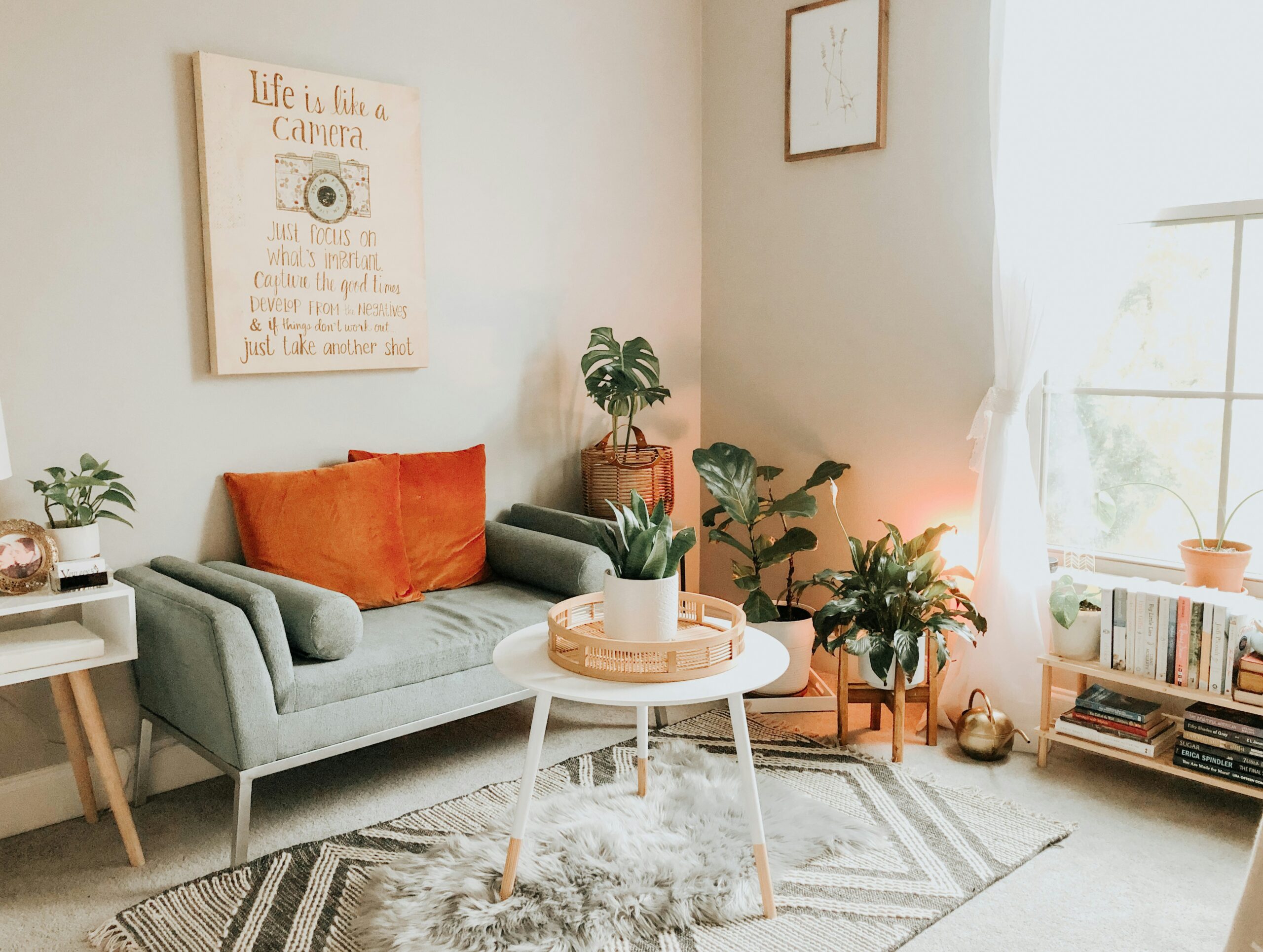
Our homes should feel like a sanctuary from the outside world, a place where we can truly unwind and recharge. If your home feels messy or chaotic, it can actually add to your stress instead of helping you relax. Taking the time to create a harmonious home sanctuary is a big step towards a more balanced life. It all starts with decluttering your spaces to bring in a sense of calm and order.
But it’s more than just being tidy; your sanctuary should really show off your personality. Fill your space with things that make you happy, whether that’s family photos, super cosy blankets, or your favourite scented candles. The magic of curating artisan home decor can turn a simple house into a home that feels uniquely yours. Using soothing colours and making sure you have comfy spots to relax can seriously boost your daily mood.
Embracing Outdoor Hobbies
Outdoor hobbies can support both mental and physical well-being by reducing stress and providing a break from daily responsibilities. Simple activities like walking, gardening, or cycling can be refreshing.
The key is finding something you genuinely enjoy, whether that’s hiking, paddleboarding, or exploring options at a local wake boat dealership. The right activity can help you recharge and return to daily responsibilities feeling refreshed.
Mindful Engagement
Balance is also about how you connect with what’s happening right now. It’s easy to be physically present but mentally miles away, thinking about work deadlines while playing with your kids, or scrolling through your phone during a conversation. Practising mindful engagement means giving your full attention to the task or person right in front of you.
You don’t need formal meditation for this. It’s about really enjoying your morning coffee without distractions, truly listening when someone is talking to you, and fully diving into whatever activity you’re doing. When you’re fully present, you not only connect better with others but also find more joy and satisfaction in everyday moments, which is a key part of living a balanced life.
Digital Detox
In our super-connected world, our digital devices are often the biggest culprits for stealing our time and attention. The constant pings and notifications keep our brains on high alert, making it tough to switch off and relax. Doing a regular digital detox isn’t just a nice-to-have anymore; it’s essential for mental balance.
Start small and keep it manageable. You could set up “no-phone zones” in your home, like at the dinner table or in the bedroom. Schedule specific times each day to check emails and social media, instead of jumping on every notification as it pops up. Turning off non-essential alerts can seriously cut down on distractions and help you take back control of your time and focus.
Leave a Reply