Image credit: Unsplash
The health and happiness of our family often starts right within our own four walls. We put so much effort into making our homes feel safe and comfy, but it’s easy to forget how much the physical space itself impacts our well-being. From the air we breathe to the temperature we sleep in, even small things in our home can really affect everything from allergies to how well we sleep. Making just a few thoughtful changes can help turn your house into a healthier, happier spot for everyone.
The Link Between Home and Health
Our homes are more than just places to live; they’re like little ecosystems that can either help or hurt our health. Poor conditions inside can lead to all sorts of problems, like breathing issues, restless nights, and more stress. For families with little ones or older relatives, these effects can be even more noticeable. A damp, draughty house can make asthma worse, while a home full of invisible airborne particles can trigger allergies. Creating a healthier space can also involve thinking about the role of natural elements, from natural light and greenery to materials that make the home feel calmer and more comfortable. Realising this connection is the first step toward making positive changes that benefit your whole family’s long-term wellness.
Better Air Quality Indoors
We often worry about pollution outside, but sometimes the air inside our homes can actually be worse. Everyday things like cleaning products, furniture, and paint can release chemicals called Volatile Organic Compounds (VOCs). Mix that with dust, mould spores, and pet dander, and you’ve got a real cocktail of irritants.
Luckily, there are simple ways to start improving your indoor air quality. One of the easiest is just opening your windows. Even 15-20 minutes a day can help clear out stale air and reduce those pollutants. You can also bring in some houseplants like Spider Plants or Peace Lilies, which are known for helping clean the air. If you or someone in your family has serious allergies, an air purifier with a HEPA filter can catch tiny particles that regular cleaning misses. There are many low-cost air quality improvements you can make without breaking the bank.
Temperature Stability for Wellness
Ever notice how hard it is to get a good night’s sleep when your room is too hot or too cold? Consistent indoor temperatures are super important for our bodies to really rest and recover. Big temperature swings and draughts can mess with our sleep cycles and even put stress on our immune systems. Old, single-pane windows are often a big culprit here, letting cold air sneak in during winter and baking your home in summer.
Upgrading to modern double-glazed windows is a great way to get rid of draughts and keep your home at a steady temperature all year. Those two panes of glass with a sealed air gap act like a barrier, stopping heat from escaping or coming in. This not only makes your home more comfortable but also means you won’t need to blast the heating or AC as much, saving you money on energy bills. Pair that with good loft insulation and draught-proofing around doors, and you’ll create a stable, comfy environment for your family to thrive in.
Reducing Allergens and Dust
Dust and allergens are just a part of home life, but you can definitely take steps to lessen their impact. Dust mites, pet dander, and pollen are common triggers for sneezes, itchy eyes, and asthma. While regular cleaning is a must, some home upgrades can make that job much easier and more effective.
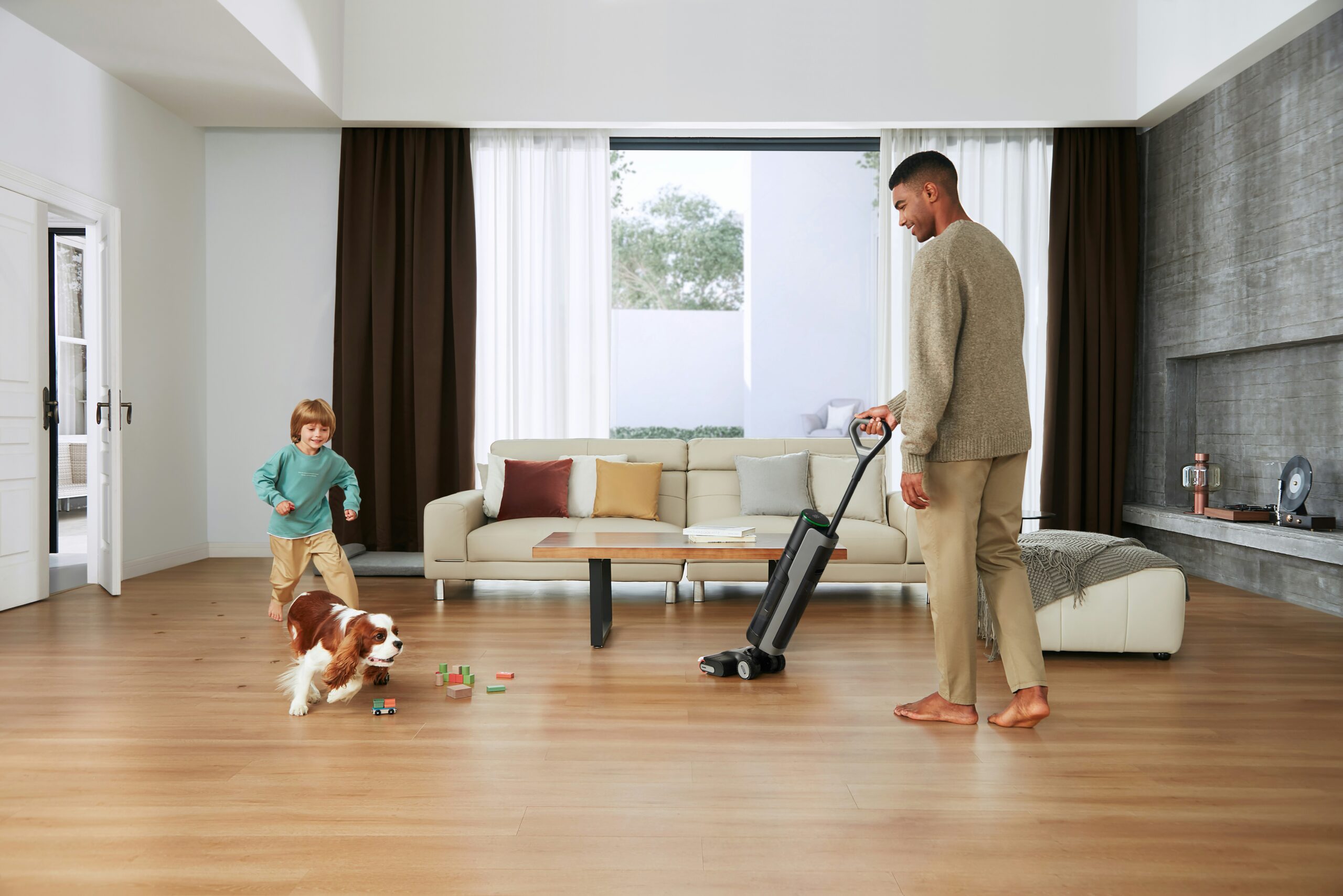
Think about swapping out heavy carpets for hard flooring like wood or laminate, especially in bedrooms. Carpets can trap tons of dust and allergens that are really tough to get rid of completely. If you love the soft feel of a rug, pick one you can toss in the washing machine. Using hypoallergenic mattress and pillow protectors can also create a barrier against dust mites. And when you vacuum, use a machine with a HEPA filter; it’s designed to trap microscopic particles instead of just blowing them back into the air.
Creating a healthier home is an ongoing journey, but every small change helps build a better environment for your family. By focusing on air quality, temperature, and allergens, you can build a space that truly supports everyone’s health and happiness.
Leave a Reply