Image Credit: Unsplash
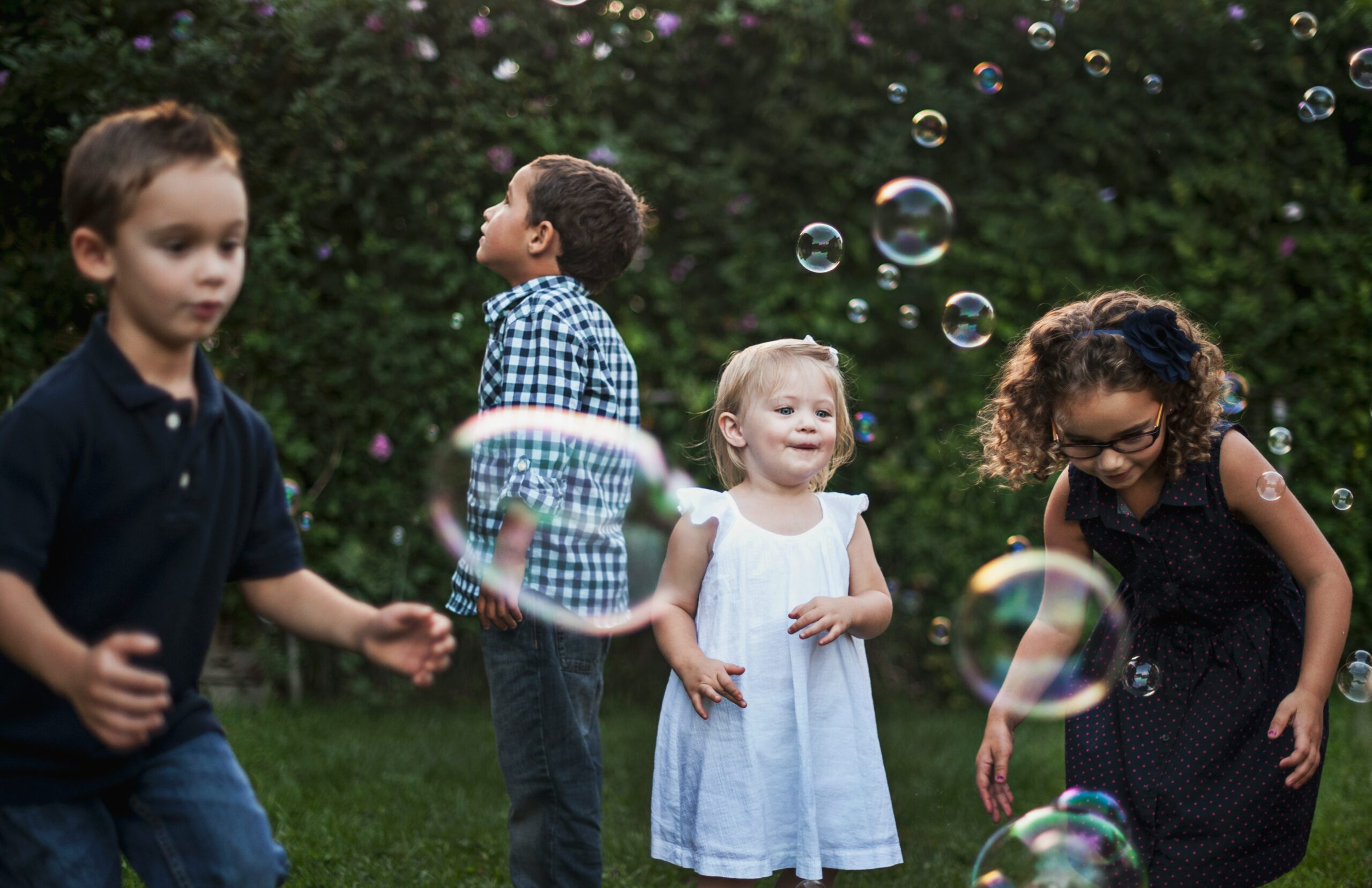
Your backyard should be a place where the whole family can relax, play and spend time together. However, households with young children or curious pets should consider potential safety hazards. Creating a safe and enjoyable outdoor space does not have to be a major project. With a little bit of planning, you can turn your yard into a secure spot where everyone can play freely.
Assessing Your Outdoor Space
Before making any changes, take the time to assess your backyard carefully. Looking at the space from the perspective of a young child or curious pet can help you identify potential hazards that may otherwise go unnoticed.
Keep an eye out for things like uncovered pools or ponds, gaps in the fence, sharp edges on garden beds, or wobbly pavers. Are there any tools, chemicals or building materials left unsecured? Also, check if they can get into places you don’t want them, like the driveway or a side alley. This initial assessment will help you identify the areas that require attention.
Fencing and Boundary Solutions
A secure fence is one of the most effective ways to create a safe outdoor space for children and pets. It stops kids from wandering into the street and helps prevent pets from wandering beyond your property. Inspect your existing fences for holes, loose panels or gaps underneath that a small child or determined dog could slip through.
The gate is just as important as the fence itself. Make sure it has a child-proof latch that’s high enough so little hands can’t reach it. Self-closing, self-latching gates provide an added level of safety by reducing the risk of gates being left open. Properly installed secure fencing creates a clear boundary that helps children and pets remain safely within your property while providing greater peace of mind.
Managing Slopes and Uneven Ground
Many Australian backyards include sloping or uneven ground. Sloping ground can contribute to soil erosion and create unstable areas, particularly after heavy rainfall.
Creating level terraces is an effective way to improve both safety and usability. Terracing divides a steep slope into smaller, level areas that are safer and more practical for everyday use. Professionally installed retaining walls can help stabilise sloping land while creating safe, usable spaces for children, pets and outdoor activities.
Plant Choices for Safety
A well-designed garden can enhance both the appearance and enjoyment of your outdoor space, but it’s important to pick plants that are safe for both kids and pets. Many common garden plants can be toxic if eaten, leading to anything from a mild upset stomach to more serious health issues. Plants like oleander, foxglove, and some types of lily may appear attractive, but it’s best to skip them in family gardens.
Instead, choose non-toxic, hardy plants that can handle the occasional stray ball or curious pet. Think about plants with soft leaves and steer clear of anything with sharp thorns or prickles, like certain roses or cacti, especially near paths and play areas. Good choices include lavender, camellias, daisies, and native grasses. Before planting, check whether a species is considered safe for children and pets using a reliable horticultural or veterinary resource.
Play Area Considerations
Designating a dedicated play area helps improve safety while creating a clearly defined space for children’s activities. If you’re putting up swings, slides, or climbing frames, make sure the ground underneath has a soft landing. Bark chips, sand or impact-absorbing rubber surfacing provide a safer landing surface than concrete or compacted ground.
Australia’s UV levels can be extremely high, making adequate shade essential for outdoor play areas. Adding features for designing a dog-friendly yard, like a digging pit or tough turf, can encourage appropriate play while helping protect garden beds.
By thinking through these key areas, you can create an outdoor space that’s not just safe, but also a wonderful backdrop for countless family memories.
Leave a Reply