Why do some toddlers enjoy the bathtub like it is a luxury spa, but see a swimming pool as a big risk? Water hesitation is incredibly common, yet it frequently catches parents off guard, quickly morphing into a source of shared family anxiety. For many, there is a huge mental leap to go from playing with water in a shallow container to entering a large pool. Acknowledging this fear with empathy is the first step toward dismantling it completely.
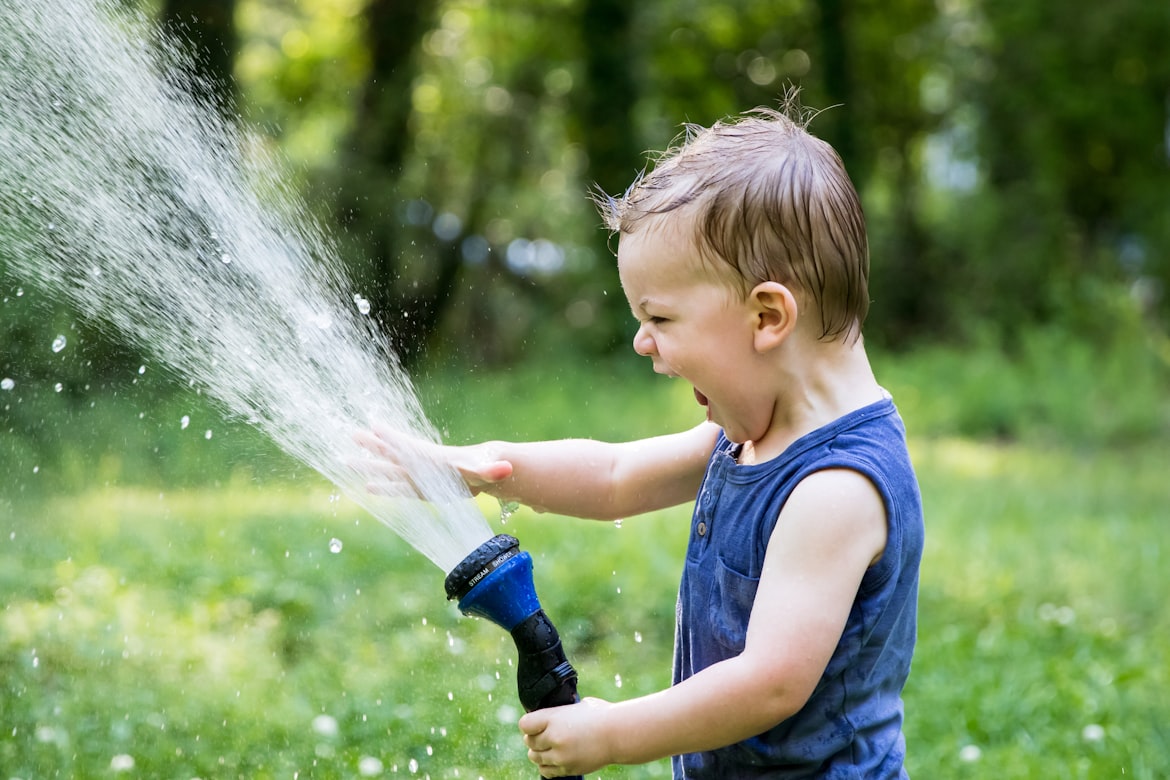
Via Unsplash
Shift the Environment Control
Before you start packing a swim bag and head out to the beach or the public pool, remember that home remains the safest laboratory for sensory experimentation. Desensitise a hesitant child by creating ways for them to interact with water in various daily routines. Allow your child to use a handheld shower head at the sink to allow them to have complete control over splashing. Turn bath time into an interactive game where pouring water over toy boats is an experiment. This allows the child to control the water to a certain degree and see how water moves and reacts. These experiences may give them a completely different emotional response to being wet.
Normalising the Public Pool Environment
Entering a public leisure centre can be overwhelming for a child. The noise level created by echoing voices, screaming kids and loud splashes can immediately intimidate them. On top of that, the smell of chlorine and the size of the pool all combine to create a high-stimulus environment that quickly causes resistance. Lower the bar by simply watching other families play at the pool the first week. When you finally decide to enter the water, stay close to the shallow end and hold your child firmly so you can support them both physically and emotionally. Your relaxed demeanour serves as an anchor for your child’s emotions, providing reassurance that the environment is safe.
Investing in Systematic Progression
Developing sustained confidence in the water ultimately relies on establishing a consistent, structured routine along with having an experienced guide. As much as parent involvement is essential for building confidence in water, children tend to respond better and develop more resilience when working with an outside professional who understands developmental milestones.
Formal swim instruction can contribute greatly to water safety for young children. Research has shown that formal swim instruction significantly reduces drowning rates for children ages 1 through 4; however, the true value of this training is how those skills are taught. A qualified instructor will teach children basic survival skills like floating on their back and moving safely in the water, along with teaching proper techniques and instilling confidence. The lessons themselves are calmer and more structured than informal training or “learn by yourself”, which decreases the likelihood of picking up bad habits that would be harder to break at a later time.
Registering your child in formal swimming lessons creates a predetermined, safe structure that blends water safety and fun. The presence of other students provides examples of peer modelling of good behaviours and converts what was once seen as a difficult experience into an enjoyable social activity that builds excitement each week.
Changing water-based fears into true confidence will take time, but it will yield countless rewards. With a methodical and positive approach, you are helping your child access a world of healthiness, safety and summertime enjoyment. Recognise small successes, maintain pressure at an extremely low level and observe your child’s innate curiosity flourish.
Leave a Reply