As a parent, you want what’s best for your children, and a lot of their growth and success are often reliant on how you influence them from a young age.
Children don’t just listen to what we say about health; they watch everything the parents do. Modern life makes the convenience of food, screens, and sedentary habits the easiest of choices to make by default.
Teaching children healthy habits is something that can start early on and equip your children with a lifetime blueprint for physical health and emotional resilience.
- The “Eat the Rainbow” Nutritional Mindset
It’s good to shift nutrition from a chore to something of a fun and visual game. The ‘eat the rainbow’ mindset is a great way to get better food into your child’s body.
Challenge your children to fill their plates with fruit and vegetables of different colors so that they’re getting a wide range of vitamins and nutrients into their bodies.
Bring kids along to the grocery shop or local market so that they can pick their own food to try out every week.
It’s worth involving them too, in age-appropriate meal prep that naturally increases their willingness to try out healthier foods.
- Daily “Active Play” Over Structured Exercise
It’s good to normalize movement as something that’s joyful, rather than it needing to feel like some kind of forced chore.
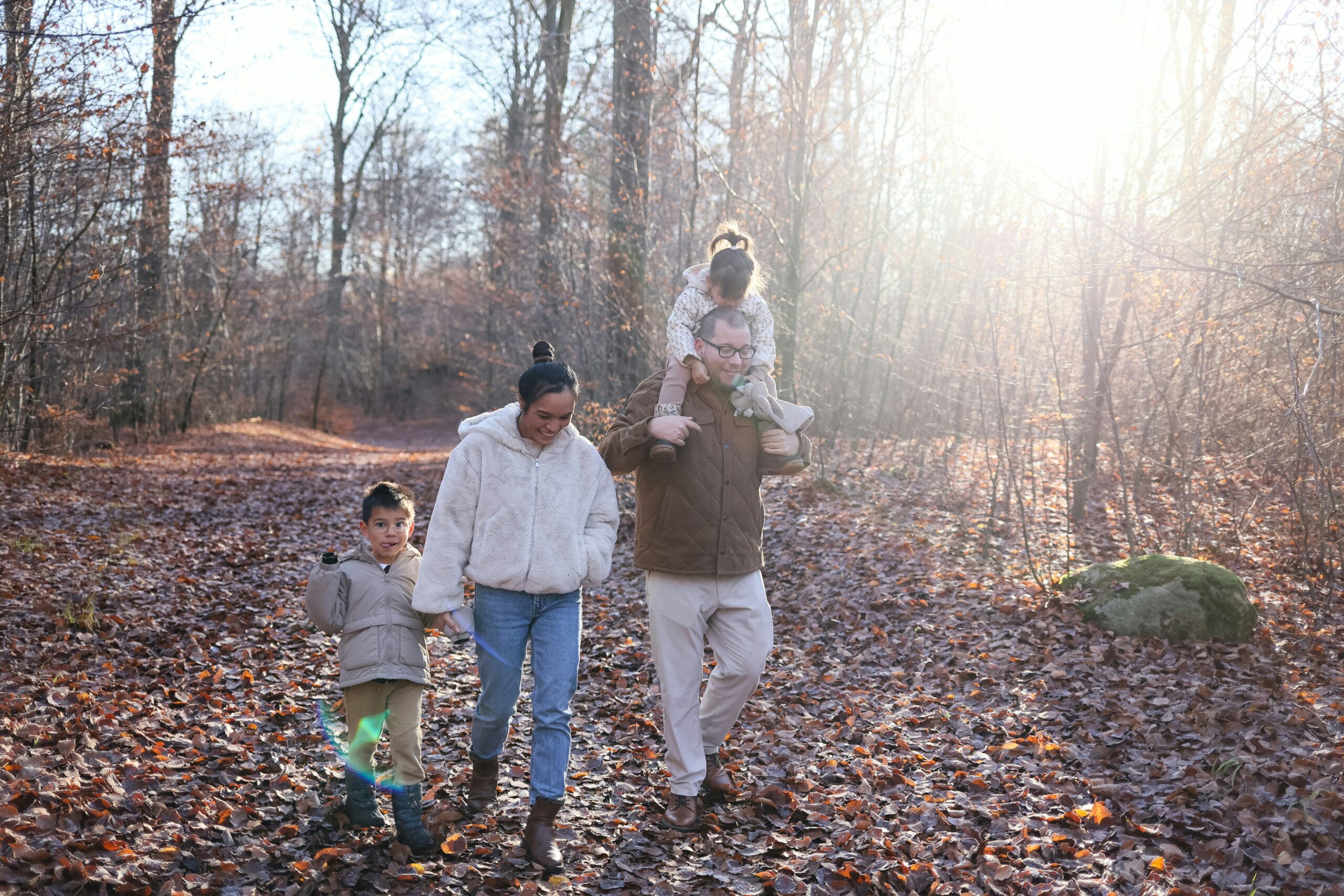
To do this, it’s good to look at prioritizing nature connection. From outdoor play to bike riding or family walks after dinner, these are all great ways of building cardiovascular health.
Fun environments are what you want to create. Substitute stationary indoor time with active tag games or playground visits.
It’s worth normalizing a family culture where moving your body is something that’s viewed as a daily, enjoyable and rewarding experience.
- The “Digital Sunset” for Sleep Hygiene
When it comes to getting quality sleep, you want to ensure you’re setting some boundaries. Turning off tablets, televisions, and smartphones is something that should be done 60 minutes before bedtime. That gives the brain enough time to get the mind ready for rest.
Replacing your screens with predictable calming activities like journaling, listening to music, or reading together is a great way to establish a good sleep routine.
Make sure your child’s bedroom is dark, quiet, cool and completely free of any digital distractions.
- Open Emotional Expression and Mindfulness
Teaching children how to process their stress, as well as being able to label big emotions, are all ways to be more in tune with oneself and to know it’s ok to feel those emotions too.
Emotional labeling is good so that children understand what they’re feeling and they vocally name their feelings, e.g., I feel sad.
Teach simple box-breathing for when your little one is feeling overwhelmed, and practice gratitude around the dinner table or right before bed to help foster that all-important positive thinking.
- Consistent Physical Hygiene (Dental and Handwashing)
Making daily preventative cleanliness habits teaches your kids about consistent physical hygiene, like dental hygiene and handwashing. Regular dentist appointments will help check they’re doing it properly.
Use fun timers or two-minute songs to ensure they’re brushing twice a day thoroughly. It’s also good to teach proper hand hygiene upon returning home from public places, using the bathroom, or before eating a meal.
Build Healthy Habits Over Time
With healthy habits, they take time and are built through small, consistent, and daily family choices.
Leave a Reply