It’s easy to notice and prioritize obvious home-related issues, but there can also be plenty of hidden risks that can be just as damaging — if not more so — on a long-term basis.
It’s easy to miss these risks for a number of reasons. Sometimes, they’re simply out of sight, out of mind. At others, the danger seems so slight that it’s easy to adopt an I’ll do it tomorrow mindset. In some cases, the homeowner isn’t even aware that there is a risk.
Even minor issues can turn into big problems if they’re not addressed. In this post, we’ll run through some of the most common overlooked risks, as well as offer guidance on how to manage them.
Roof Damage
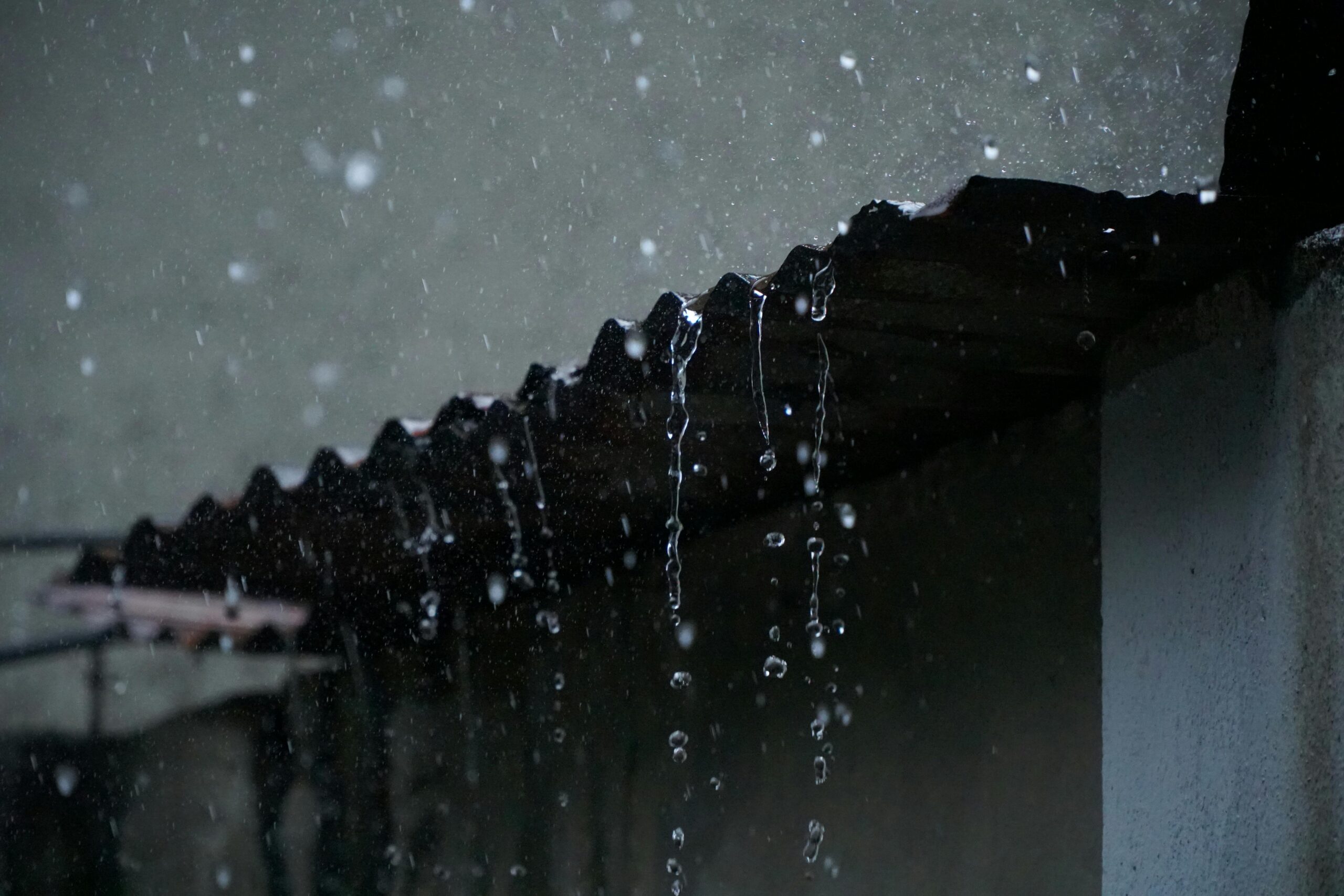
The aforementioned expression, out of sight, out of mind could have been coined about the roof. While you can technically see it from ground level, you can’t do so in any meaningful way. In many cases, you might only learn about post-storm roof damage several months later, when the minor damage has turned into a severe problem that is letting in rainwater.
You shouldn’t handle roof work yourself anyway, so simply commit to hiring someone to perform an inspection once a year or after severe storms. That alone will go a long way towards keeping your roof in tip-top condition.
Unwanted Guests
You’ll sometimes not even want your family to live in your home, but pests? That’s a whole other level. Not only does having pests in your home impact your quality of life — it’s hard to relax when you know there are critters nearby — but in some cases, such as termites, it can also impact the property’s structural integrity, which can be expensive to fix. It can be beneficial to read up on the warning signs of the infestations relevant to your local area, and to quickly get in touch with a bed bug, cockroach, or termite inspection company if you suspect there’s an issue. As with most things, it’s much easier to treat an infestation when it’s still in an early stage, but you can only do that once you know that there is a problem.
Behind-The-Times Security Systems
Having a security system can make it feel like your home is protected, but if it’s non-functioning or out of date, then the sense of security will not be grounded in reality. In some cases, having an outdated security system can even invalidate parts of your insurance, which means you may not receive a payout if your property is targeted.
While it’s tempting to simply set a security alarm and forget it, it’s important to invest some time and effort to make sure it’s actually doing what you bought it to do. Auditing the functionality of your system every few months and upgrading the system every 3 – 5 years will ensure that your property has up-to-date protection that will make your home a lot more difficult for criminals to target, offering enhanced peace of mind when you’re both in and out of the house.
Leave a Reply