Most people aren’t aware of “ambiance” in technical terms, yet they experience it daily. By mid-afternoon, one room can be too warm. Another can seem dim and uninviting at night. We move from place to place in our homes all day long, continuously adjusting and turning items on and off to make each space fit what we’re doing. Zoned living is essentially understanding those behaviours and designing your home to assist you in your daily activities without requiring continuous effort.
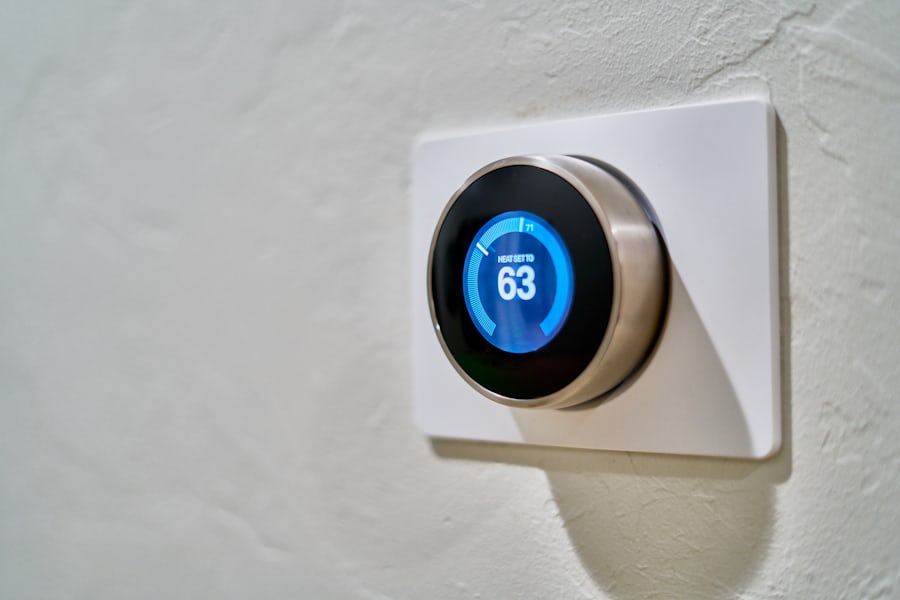
Via Unsplash
Equating Every Room to the Same Setting
One of the most common mistakes made in creating zoned living is assuming that one setting will work throughout the entire home. Rooms act differently. A sunny kitchen heats quickly. A back bedroom remains cool and shaded. When each room in the home is treated as a single zone, there’s always going to be an area where you’ll be uncomfortable, regardless of what you choose.
Overcomplicating the Technology
Many people buy smart devices quickly and end up with a patchwork of apps, remotes, and settings that do not talk to each other. It shows up when you cannot remember which system controls what, or when guests feel awkward asking how to turn on a lamp. The relationship cost is real. A home should feel welcoming, not like a control panel. Too much complexity creates stress instead of comfort.
Keep it simple. Choose a few tools that work together. Start with the basics you actually use every day: lighting, temperature, and sound. Add more only when the need is clear.
Ignoring Comfort Until It Becomes a Problem
Another oversight is waiting until discomfort forces a fix. You tolerate a stuffy room, a cold corner, or noisy airflow until it becomes a constant annoyance. Over time, these small issues affect mood. People avoid certain spaces. A room stops being used the way you intended.
Pay attention early. If one area is always unpleasant, it may need better airflow, shading, or a small adjustment in your air conditioning setup so the temperature matches how that room is lived in.
Forgetting That Lighting Is Part of the Zone
People often focus on temperature but overlook lighting. A bright overhead light might work in the morning, but it feels harsh in the evening when you want to slow down.
This affects how rooms feel emotionally. A living room with the wrong lighting does not invite people to stay. A bedroom that is too bright never feels restful.
Use layered lighting. A mix of softer lamps, dimmable fixtures, and warm tones helps each room match its purpose without much thought.
Assuming Ambiance Is Only About Devices
Technology helps, but it is not the whole story. People sometimes expect a smart home system to fix everything while ignoring layout, clutter, or noise. The result is disappointment. The room still feels off, and you blame the tools instead of the environment.
Begin with the fundamental aspects of your physical surroundings. A chair that provides actual comfort, curtains that diffuse the light, and fewer distractions on surfaces. Let technology serve as a means to enhance your design decisions, rather than replacing them.
Zoned living is not merely a concept associated with luxury. Zoned living is simply part of developing a home that functions effectively, room by room, day after day.
Leave a Reply